Lemon thyme beurre blanc is a French butter sauce made with white wine, shallots, lemon, fresh thyme, and cold butter. It has a smooth texture, a rich taste, and a bright citrus finish that pairs well with salmon, white fish, chicken, and vegetables.
Lemon thyme beurre blanc brings a restaurant-style touch to a home kitchen in the United States. Serve it with pan-seared salmon, roasted chicken, steamed asparagus, or a simple plate of potatoes. The sauce uses a few common ingredients, yet careful heat control makes a big difference in its texture.
The key is to reduce the wine, shallots, lemon, and thyme before adding cold butter a little at a time. This process helps the butter form a smooth emulsion, which means tiny droplets of fat stay spread through the liquid instead of separating into a greasy layer. The result is a rich sauce with enough tartness to balance each bite.
This guide explains how to make lemon thyme beurre blanc, how to adjust its flavor, and how to fix common problems. You will also learn when to add the herbs, which foods pair well with the sauce, and how to handle leftovers safely. No special restaurant tools are needed, but a small saucepan, a whisk, and a little patience will help.
Lemon thyme beurre blanc is a variation of classic beurre blanc, a French sauce built around a wine reduction and cold butter. The French name means white butter. Its main feature is a rich, creamy texture made without cream as the base.
Lemon adds a fresh, tart note, while thyme gives the sauce a gentle herbal scent. Shallots bring mild sweetness, and dry white wine provides acidity and depth. Together, these ingredients create a sauce that tastes rich without feeling too heavy when served in a small portion.
Traditional beurre blanc often uses white wine, shallots, and butter. Lemon and thyme are useful additions, though their amounts need care. Too much lemon can make the sauce sharp, while too much thyme can cover the delicate flavor of fish or vegetables.
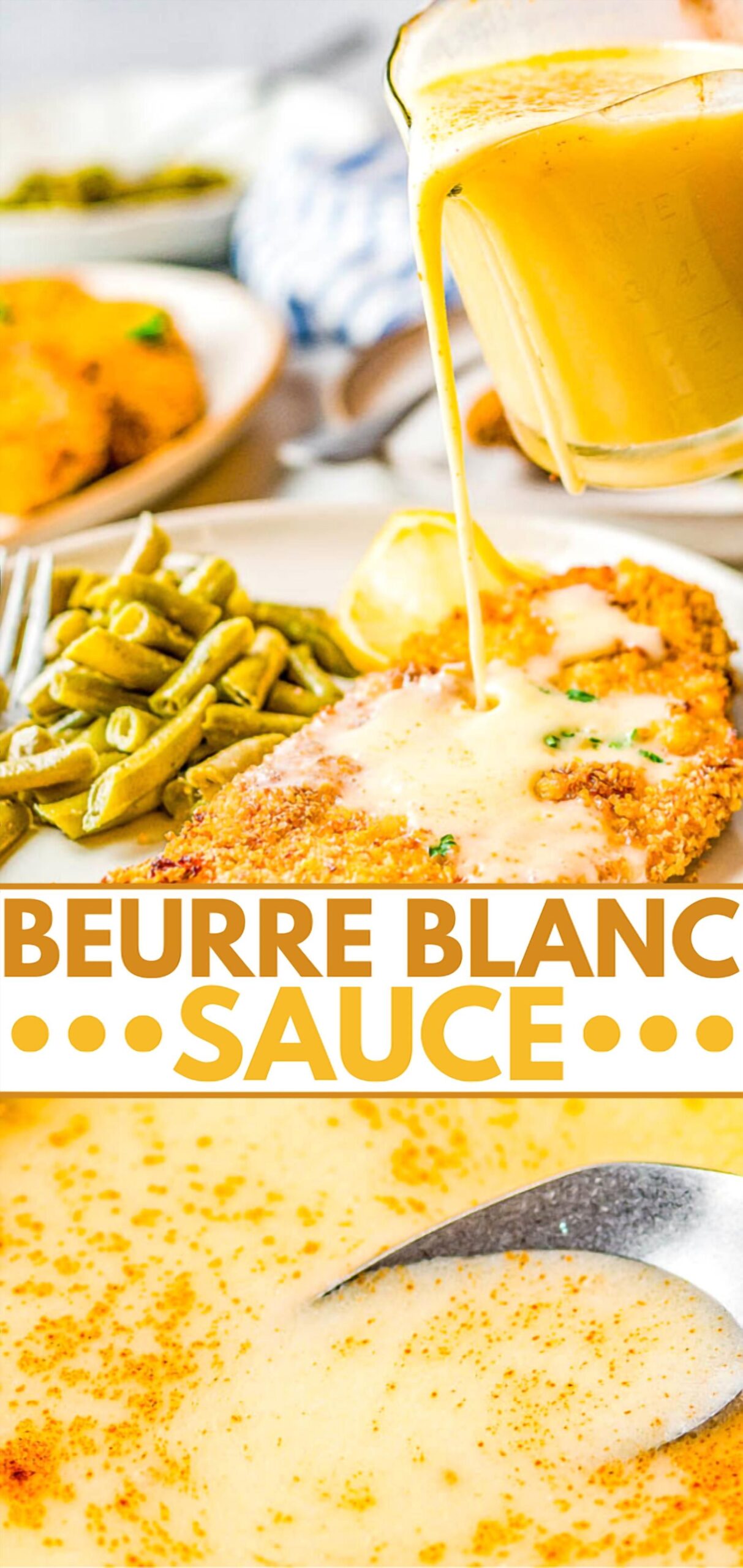
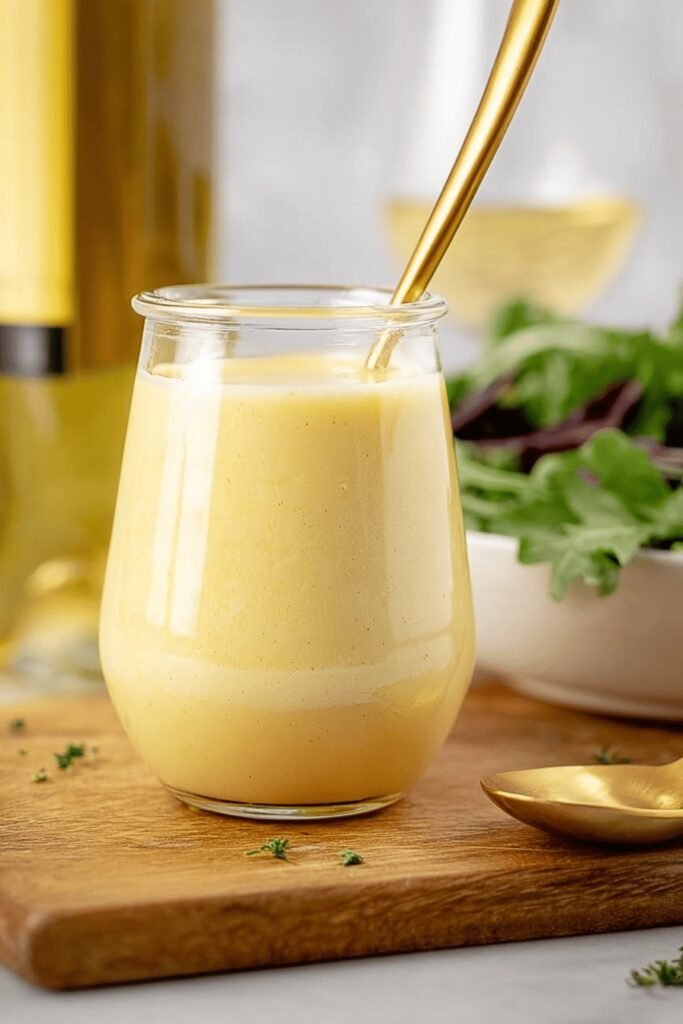
This sauce is best served warm and freshly made. It should look glossy and smooth, with no clear pool of oil around the edges. Its texture is closer to a loose, creamy coating than a thick gravy.
Source: lazydayrecipes.com
Beurre blanc
A warm French butter sauce made by whisking cold butter into a reduced liquid, usually wine and shallots.
Lemon
Adds fresh acidity that balances the richness of the butter.
Fresh thyme
Provides a mild woodsy, herbal note that complements lemon and savory foods.
Emulsion
A mixture in which fat droplets remain spread through a liquid, helping the sauce stay smooth.
How This Sauce Differs From Lemon Butter Sauce
A basic lemon butter sauce may be made by melting butter and stirring in lemon juice. That method is quick, but the fat and juice can separate easily. Beurre blanc uses a reduction and careful whisking to create a more stable, silky mixture.
The reduction also gives the sauce a deeper flavor. Wine and shallots cook down before the butter goes in, so their taste becomes concentrated. Lemon thyme beurre blanc takes that base and adds a fresh citrus and herb profile.
Choose simple lemon butter
Use it when you want a fast sauce for vegetables or seafood and do not need a formal emulsion.
Choose lemon thyme beurre blanc
Use it when you want a smoother, more layered sauce for a special dinner or a carefully plated meal.
Ingredients for Lemon Thyme Beurre Blanc
You need a short list of ingredients to make lemon thyme beurre blanc. Fresh ingredients help the flavor stay clean, but there is no need to buy costly wine or special butter. The main goal is to balance the wine, lemon, herbs, and fat.
The recipe below makes about 3/4 to 1 cup of sauce, depending on how much the liquid reduces and how much butter you use. That is usually enough for four modest servings. Use it as a finishing sauce rather than pouring a large amount over every plate.
Source: cocoaandlavender.com
1/2 cup dry white wine
Choose a dry wine such as Sauvignon Blanc or an unoaked Chardonnay. Avoid sweet wines, which can leave the sauce too sugary.
2 tablespoons finely chopped shallot
Shallots give the reduction a mild onion flavor. Mince them finely so they release flavor quickly.
2 to 3 tablespoons fresh lemon juice
Start with 2 tablespoons, then taste near the end. Fresh juice gives a bright flavor, though bottled juice can work in a pinch.
1 teaspoon finely grated lemon zest
Use only the yellow outer peel. The white pith underneath can taste bitter.
3 to 4 fresh thyme sprigs
Whole sprigs make it easy to remove the stems after the reduction. Strip the leaves if you prefer visible herbs in the finished sauce.
8 tablespoons cold unsalted butter
Cut the butter into small cubes. Cold butter melts more gradually and helps you control the emulsion.
Fine salt and freshly ground black pepper
Season to taste after the butter has been incorporated. Unsalted butter gives you better control over the final salt level.
2 to 4 tablespoons water or low-sodium stock, if needed
Keep a little liquid nearby to loosen the sauce if the reduction becomes too concentrated or the finished sauce thickens too much.
Can You Use Dried Thyme?
Yes, dried thyme can work, but use less because its flavor is more concentrated. Start with about 1/4 teaspoon and taste before adding more. A tea infuser or small piece of cheesecloth can help contain loose herbs during the reduction.
Fresh thyme gives the sauce a cleaner herbal note and is easy to remove in sprig form. If you use dried thyme, strain the reduction if you want a smooth finish without small herb pieces.
Fresh thyme
Best for a fresh aroma and easy removal after simmering.
Dried thyme
A practical pantry option, but use a small amount to avoid an overpowering flavor.
Does the Wine Need to Be Expensive?
No. A reasonably priced dry white wine is enough. The sauce uses only a small amount, and the wine is reduced with shallots and herbs, so a costly bottle is not required.
Choose a wine you would be comfortable drinking with dinner. A sweet wine can make the sauce taste cloying, while a heavily oaked wine may add flavors that compete with the lemon and thyme.
Good options
Dry Sauvignon Blanc, Pinot Grigio, or a crisp unoaked Chardonnay.
Alcohol-free option
Use unsalted stock with a little extra lemon juice. The flavor will differ from the wine-based version, but the sauce can still be rich and bright.
How to Make Lemon Thyme Beurre Blanc
The most reliable method is to reduce the liquid first, then whisk in cold butter over low heat. Have all ingredients measured before you start, because the final stage moves quickly. A small, heavy-bottomed saucepan helps spread the heat more evenly than a thin pan.
Allow about 15 to 25 minutes, depending on the burner and pan size. The exact time is less useful than the look and volume of the reduction. Keep the heat gentle once the butter goes in, and avoid rushing the last few steps.
Source: preview.redd.it
Equipment
A small saucepan, a whisk, a knife, a cutting board, measuring spoons, and a fine strainer if you want a smooth sauce.
Before starting
Cut the butter into small cubes and keep it in the refrigerator until needed. Juice the lemon and prepare the shallots and thyme.
Step 1: Reduce the Wine, Shallots, Lemon, and Thyme
Add the white wine, minced shallot, lemon juice, lemon zest, and thyme sprigs to a small saucepan. Bring the mixture to a gentle simmer over medium heat. Do not let it boil hard, as a steady simmer is enough to reduce the liquid and release the flavors.
Cook until only about 2 to 3 tablespoons of liquid remain. The shallots should look soft, and the sharp smell of raw wine should fade. The reduction may take 5 to 10 minutes, though pan size and burner strength can change the timing.
If the pan becomes almost dry before the shallots soften, lower the heat and add a small splash of water or stock. A scorched reduction can taste bitter, and butter will not hide that flavor.
Look for
A small amount of fragrant liquid with softened shallots and a clear lemon-thyme aroma.
Avoid
Burning the shallots, cooking the liquid completely dry, or reducing the mixture until it tastes harsh.
Step 2: Strain the Reduction if Desired
Remove the thyme sprigs before adding the butter. For a very smooth restaurant-style sauce, pour the reduction through a fine strainer and return the liquid to the saucepan. Pressing the shallots lightly can release extra flavor, but avoid forcing lots of pulp through the mesh.
You can leave the softened shallots in the sauce if you prefer a rustic texture. That choice will not prevent the butter from emulsifying, provided the liquid is not too low and the heat stays gentle.
Smooth finish
Strain out the shallots and thyme stems before whisking in the butter.
Rustic finish
Keep the softened shallots for more texture and a stronger savory note.
Step 3: Whisk in the Cold Butter
Lower the burner to low heat. Add two or three cubes of cold butter to the warm reduction and whisk until they begin to melt into the liquid. Continue adding butter in small batches, whisking well after each addition.
The mixture should gradually turn pale, glossy, and creamy. Keep the pan warm enough for the butter to blend, but do not allow it to boil. If the butter melts into a clear oily layer, the heat may be too high or the emulsion may be breaking.
Lift the pan off the burner for a few seconds if it gets too hot. Continue whisking and add the next pieces of butter only when the sauce looks smooth. This slower method gives you more control than dumping in all the butter at once.
Correct texture
The sauce coats the back of a spoon and looks shiny, with no obvious pools of oil.
Heat control
Use low heat and move the pan off the burner briefly whenever the sauce starts to bubble.
Step 4: Taste and Adjust the Seasoning
Once all the butter is incorporated, taste a small spoonful. Add salt and a little black pepper as needed. If the sauce tastes too rich, a few drops of lemon juice can brighten it, but add them slowly so the sauce does not become too sharp.
If the sauce tastes too tart, whisk in a little more cold butter if the texture can support it. A teaspoon of warm water may also help soften the intensity without adding more fat. Make one small change at a time and taste again.
Remove any remaining thyme stems and serve the sauce soon after making it. Spoon it over hot food just before it reaches the table, rather than leaving it on a hot burner while the rest of dinner finishes.
Too tart
Add a small amount of butter or warm water, then taste again.
Too rich
Add lemon juice a few drops at a time.
Too thick
Whisk in a teaspoon of warm water until the sauce loosens.
Why Temperature Matters When Making Beurre Blanc
Temperature is the main factor that separates a smooth beurre blanc from a greasy, broken sauce. Butter contains fat, water, and milk solids. When cold butter is whisked into a warm reduction, the fat can disperse through the liquid and form a creamy emulsion.
Too much heat can cause the fat to separate from the water. The sauce may look oily, develop yellow beads, or lose its glossy finish. Very low heat and steady whisking give the mixture a better chance of staying together.
The sauce does not need to boil to stay warm. In fact, boiling after the butter has been added is one of the easiest ways to damage the texture. If dinner is not ready, move the pan away from direct heat and monitor the sauce closely.
Source: wellseasonedstudio.com
Use cold butter
Cold cubes melt more slowly and give you time to build the emulsion.
Keep the heat low
Gentle heat helps the fat and liquid remain blended.
Whisk steadily
Whisking helps spread small fat droplets through the reduction.
Serve promptly
The sauce is most reliable when served soon after preparation.
Can You Make the Sauce Ahead?
You can prepare the wine, shallot, lemon, and thyme reduction ahead of time. Cool it promptly, cover it, and refrigerate it until you are ready to finish the sauce. Reheat the reduction gently, then whisk in cold butter shortly before serving.
Fully prepared beurre blanc is harder to hold because its emulsion can separate as it cools or sits over heat. If you need to keep it warm for a short period, use a warm water bath rather than placing the saucepan over a hot burner. Keep the sauce out of the food safety danger zone and do not leave it at room temperature for extended periods.
Best make-ahead step
Prepare the strained reduction in advance and add the butter near serving time.
Avoid
Boiling the finished sauce or keeping it warm over direct high heat.
How to Fix Broken or Thin Lemon Thyme Beurre Blanc
A broken beurre blanc usually looks oily, grainy, or separated instead of smooth and glossy. A thin sauce may have too much liquid or too little butter, while a thick sauce may have reduced too far or cooled too much. Check the texture first, then make one small correction at a time.
Do not add more butter automatically. If the sauce is already too hot, extra butter may melt into a greasy layer instead of blending in. Remove the pan from the heat before trying to repair it.
Source: media2.saucemagazine.com
The sauce looks oily
Take the pan off the heat and whisk in a teaspoon of cool water. If needed, place a fresh tablespoon of warm reduction in a clean bowl and slowly whisk the broken sauce into it.
The sauce is too thin
Check whether the reduction was concentrated before adding the butter. If the sauce is smooth but loose, whisk in a small cube of cold butter at a time over low heat.
The sauce is too thick
Whisk in warm water, a teaspoon at a time, until it reaches a pourable consistency.
The sauce tastes bitter
Scorched shallots, burnt reduction, or too much lemon pith may be the cause. A severely burnt flavor is difficult to remove, so making a fresh reduction is often the better fix.
The sauce tastes flat
Add a small pinch of salt or a few drops of lemon juice. Taste after each change rather than adding a large amount at once.
A Simple Rescue Method for a Separated Sauce
First, remove the sauce from the heat. Add one teaspoon of cool water and whisk briskly. A small amount of water can help the fat disperse again, though badly separated sauce may need a fresh starting point.
For a more reliable repair, place one tablespoon of warm reduction or water in a clean bowl. Whisk the broken sauce into it a little at a time, as if you were starting a new emulsion. Stop adding sauce when the mixture becomes smooth, then taste and adjust the seasoning.
If the sauce has a burnt smell or a strong scorched taste, do not expect whisking to fix it. Start over with a clean pan and fresh ingredients.
Most useful first step
Remove the pan from the heat and assess whether the problem is separation, thickness, or flavor.
When to start over
Make a new batch if the shallots or reduction have burned or the sauce has an unpleasant scorched flavor.
What to Serve With Lemon Thyme Beurre Blanc
Lemon thyme beurre blanc works best with foods that benefit from a bright, rich sauce. Mild fish, salmon, chicken, and green vegetables are natural matches. The lemon lifts the flavor of the main dish, while the butter adds a smooth finish.
Use a spoonful or two per serving as a starting point. The sauce should complement the food rather than hide its texture or flavor. A small amount can be enough when the fish or vegetables are already well seasoned.
Source: spoonsway.com
Salmon
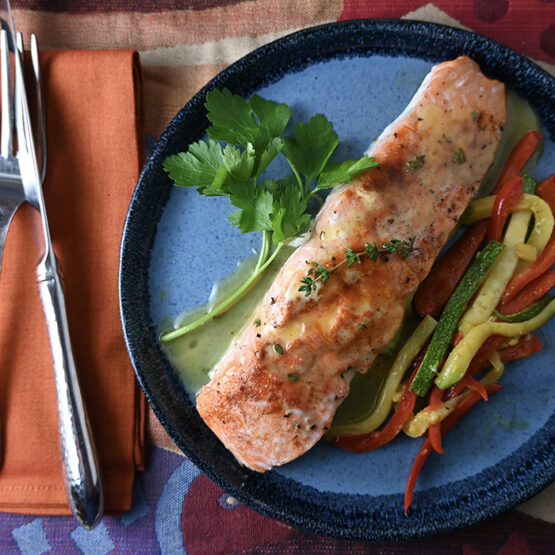
Serve the sauce with roasted, grilled, or pan-seared salmon. Lemon and thyme work well with the fish’s rich flavor.
White fish
Try cod, halibut, haddock, or sole. The smooth sauce adds richness to fish with a mild taste.
Seafood
Spoon a small amount over cooked scallops or shrimp. Add the sauce just before serving to keep its texture.
Roasted chicken
Use the sauce over sliced chicken breast or a simply seasoned roast chicken. A light hand keeps the plate from feeling too rich.
Asparagus and green beans
Drizzle the sauce over steamed or roasted vegetables for a bright, buttery finish.
Potatoes
Serve with boiled baby potatoes, roasted fingerlings, or a plain potato mash. The lemon helps balance the starch and butter.
Fresh pasta or gnudi
Toss a little sauce with soft pasta or ricotta gnudi. Toasted pine nuts can add a pleasant crunch, but use them sparingly so they do not overwhelm the herb flavor.
How to Pair the Sauce With Fish
For mild white fish, keep the thyme and lemon balanced so the sauce does not overpower the delicate flesh. For salmon, a slightly stronger lemon note can help offset the fish’s richness. The right amount depends on how the fish is cooked and seasoned.
Pat fish dry before cooking, season it, and cook it until it reaches a safe internal temperature. For most finfish, the USDA food safety guidance is 145 degrees Fahrenheit. Add the sauce after cooking rather than using the finished butter emulsion as a high-heat cooking fat.
For delicate fish
Use a mild reduction and a small amount of sauce.
For salmon
A little extra lemon zest can give the plate a fresh aroma.
For seafood platters
Serve the sauce in a small warm dish so diners can control each portion.
Serving Ideas for a Simple American Dinner
For a weeknight meal, pair baked salmon with roasted potatoes and asparagus. Make the reduction while the oven heats, then whisk in the butter close to the time the fish is done. This plan keeps the sauce fresh without requiring a long list of side dishes.
For a dinner party, serve pan-seared white fish with green beans and small potatoes. Spoon the sauce around the fish or over one edge, leaving part of the crisp surface uncovered. This helps preserve the contrast between the fish’s browned exterior and the smooth sauce.
Weeknight plate
Salmon, roasted potatoes, and asparagus with a light spoonful of sauce.
Dinner party plate
Pan-seared cod, green beans, and baby potatoes with the sauce served just before eating.
Variations on Lemon Thyme Beurre Blanc
The classic recipe is easy to adjust once you understand the balance between acidity, herbs, and butter. Make one change at a time so you can tell how it affects the sauce. Keep the butter method the same unless you are deliberately testing a different style of sauce.
Source: simplyum.com
Meyer lemon version
Use Meyer lemon juice and zest for a softer citrus flavor. Since the fruit may be less tart than a standard lemon, taste before adding more juice.
Garlic and thyme version
Add a small amount of finely minced garlic to the reduction. Cook it gently with the shallots and remove it from the heat before it browns.
Chive and thyme version
Whisk in finely chopped chives at the end for a mild onion note and a fresh green finish.
Stock-based version
Replace the wine with unsalted fish or vegetable stock. Add lemon gradually, since the result will lack the exact acidity and aroma of a wine reduction.
Light herb version
Use fewer thyme sprigs and remove them early if you want the lemon to stand out more.
Can You Make Beurre Blanc Without Wine?
Yes, although the sauce will not taste exactly like traditional beurre blanc. Use unsalted stock as the liquid base and add lemon juice in small amounts to provide acidity. A little extra shallot can add depth, but avoid reducing the stock until it becomes too salty.
This version is useful when you do not want to open a bottle of wine or prefer to avoid it in cooking. Stock varies in salt level and flavor, so taste the reduction before adding butter. A low-sodium product gives you more room to adjust the final seasoning.
Best stock choice
Unsalted or low-sodium fish stock for seafood, or vegetable stock for a wider range of dishes.
Key adjustment
Add lemon juice slowly and taste the reduction before the butter goes in.
Can You Use Dried Lemon Peel?
Fresh lemon zest is the better choice for a clean, bright aroma. Dried peel may be used in a small amount, but its flavor can be more concentrated or muted depending on how it was processed. Avoid using too much, as bitter notes can build during reduction.
If fresh lemons are available, zest the fruit before juicing it. Use a fine grater and stop before reaching the white pith. That simple step gives the sauce a strong citrus scent without adding excess liquid.
Fresh zest
Provides a lively citrus aroma and is easy to measure.
Dried peel
Can work as a pantry substitute, but use sparingly and taste before adding more.
Storage, Reheating, and Food Safety
Lemon thyme beurre blanc is best made fresh because the butter emulsion is delicate. If you have leftovers, transfer them to a clean, covered container and refrigerate them promptly. Do not leave the sauce on the counter for hours while dinner is served.
Perishable food should not sit at room temperature for more than two hours, or more than one hour when the temperature is above 90 degrees Fahrenheit. These limits are useful for cooked sauces and dishes that contain butter and other perishable ingredients.
For quality, use refrigerated leftover sauce within a short period, ideally within one to two days. Reheat only the amount you plan to use, and warm it gently while whisking. The sauce may still split during reheating, so the texture may not be as smooth as a fresh batch.
Source: i.pinimg.com
Cool promptly
Place leftovers in a clean, shallow container and refrigerate them as soon as practical.
Reheat gently
Use low heat and whisk continuously. A teaspoon of warm water may help bring the sauce back together.
Avoid repeated reheating
Warm only the portion you need, since repeated heating and cooling can damage both texture and quality.
Discard when uncertain
Throw away sauce that has been held too long at room temperature or shows signs of spoilage. Do not taste food to decide whether it is safe.
Can You Freeze Lemon Thyme Beurre Blanc?
Freezing is not the best option for this sauce. The butter and liquid may separate after thawing, and the texture can become grainy. Even careful reheating may not restore the same smooth finish.
If you want to prepare ahead, freeze or refrigerate the main dish separately when suitable, and make a fresh sauce near serving time. You can also prepare the strained reduction in advance and add the butter on the day you serve it.
Best option
Store the reduction separately and finish the sauce fresh.
If frozen
Expect a possible change in texture and use gentle heat and whisking if you attempt to bring it back together.
Common Mistakes to Avoid
Most problems with lemon thyme beurre blanc come from heat, reduction, or seasoning. The ingredient list is short, so each part has a clear role. Small adjustments are usually more helpful than adding extra ingredients when the sauce does not taste right.
Source: wellseasonedstudio.com
Adding warm or melted butter
Cold butter gives you more control over how quickly the fat blends into the reduction. Use small cubes straight from the refrigerator.
Boiling the finished sauce
High heat can cause the emulsion to break. Keep the sauce warm over low heat and remove the pan if bubbling starts.
Using too much lemon
Lemon should balance the butter, not overpower it. Begin with a moderate amount and adjust at the end.
Leaving thyme stems in the sauce
Woody stems are unpleasant to bite and can give the sauce a rough texture. Remove them before serving.
Reducing the liquid until the pan is dry
A small amount of concentrated liquid is needed to help the butter form an emulsion. Add a splash of water or stock if the pan becomes too dry.
Seasoning too early
The reduction changes as it cooks, and the butter affects how salt and acidity taste. Make the final adjustment after the butter is incorporated.
Making the sauce too far ahead
The emulsion can separate while sitting. Prepare the reduction ahead and finish the sauce shortly before serving.
How to Tell When the Sauce Is Ready
A finished sauce should look glossy, smooth, and lightly thickened. It should flow from a spoon in a steady ribbon and coat the surface of the food without forming a heavy mound. A few tiny herb flecks are fine if you have chosen not to strain the reduction.
The aroma should be buttery with a fresh lemon note and a mild thyme scent. If the wine smells raw or harsh, the reduction may need more time before the butter is added. If the sauce smells burnt, starting over is usually better than trying to cover the taste.
Appearance
A uniform pale sauce with a clean sheen and no obvious oil separation.
Texture
Smooth and pourable, thick enough to coat a spoon.
Taste
Balanced butter, citrus, and herbs, with enough salt to bring the flavors together.
Frequently Asked Questions
Q
Is lemon thyme beurre blanc the same as lemon butter sauce?
No. Lemon butter sauce can be made by melting butter and adding lemon juice. Lemon thyme beurre blanc uses a reduced liquid and cold butter whisked in gradually to create a smooth emulsion. It usually has a more layered flavor and a silkier texture.
Q
Can I make lemon thyme beurre blanc without alcohol?
Yes. Replace the wine with unsalted or low-sodium stock, then add lemon juice to taste. The sauce will not have the same wine flavor, but it can still have a bright, buttery finish. Taste the stock reduction before adding butter so it does not become too salty.
Q
Why did my beurre blanc separate?
The sauce may have become too hot, or the butter may have melted faster than the liquid could hold it. Remove the pan from the heat and whisk in a teaspoon of cool water. If that does not help, start with a small amount of fresh warm reduction or water in a clean bowl and slowly whisk in the separated sauce.
Q
Can I use bottled lemon juice?
Yes, bottled lemon juice can work, especially when fresh lemons are not available. Fresh juice and zest usually provide a brighter aroma. If using bottled juice, start with less and taste before adding more because its flavor can differ by brand.
Q
What is the best butter for beurre blanc?
Cold unsalted butter is a useful choice because it lets you control the salt level and helps you add the fat gradually. Cut it into small cubes before cooking. Salted butter can also work, but taste the finished sauce before adding any extra salt.
Q
Can I make the sauce a day ahead?
The wine, shallot, lemon, and thyme reduction can be prepared a day ahead and kept covered in the refrigerator. Finish the sauce by whisking in cold butter shortly before serving. A fully prepared beurre blanc is more likely to separate during storage and reheating.
Q
How much lemon thyme beurre blanc should I serve per person?
Start with about 2 to 3 tablespoons per person, depending on the dish and the amount of sauce the recipe makes. Use less for delicate white fish and more if you want a richer finish for salmon or vegetables. Serve extra on the side so diners can add it to taste.
Q
Can I use lemon thyme instead of regular thyme?
Yes. Lemon thyme has a citrus-like aroma that fits this sauce well. Use a similar small amount, then taste the reduction before adding the butter. Since the herb’s strength varies, adjust the amount to suit your preferred flavor.
✦ Wrapping Up
Conclusion
Lemon thyme beurre blanc is a rich French butter sauce with a fresh, bright edge. Wine, shallots, lemon, and thyme build the base, while cold butter gives it a smooth finish. It pairs well with salmon, white fish, chicken, seafood, asparagus, potatoes, and fresh pasta.
The main trick is to control the heat. Reduce the liquid first, whisk in cold butter a few cubes at a time, and keep the finished sauce below a boil. Taste near the end so you can balance the lemon, salt, and thyme without making the sauce too sharp.
For an easier dinner plan, prepare the reduction before cooking the main dish and finish the sauce just before serving. That small step saves time when dinner is ready and helps preserve the sauce’s glossy texture.
💡 Key Takeaway
Start with the basic recipe, use cold unsalted butter, and keep the heat low. Serve the finished lemon thyme beurre blanc at once over freshly cooked fish or vegetables for the best texture and flavor.