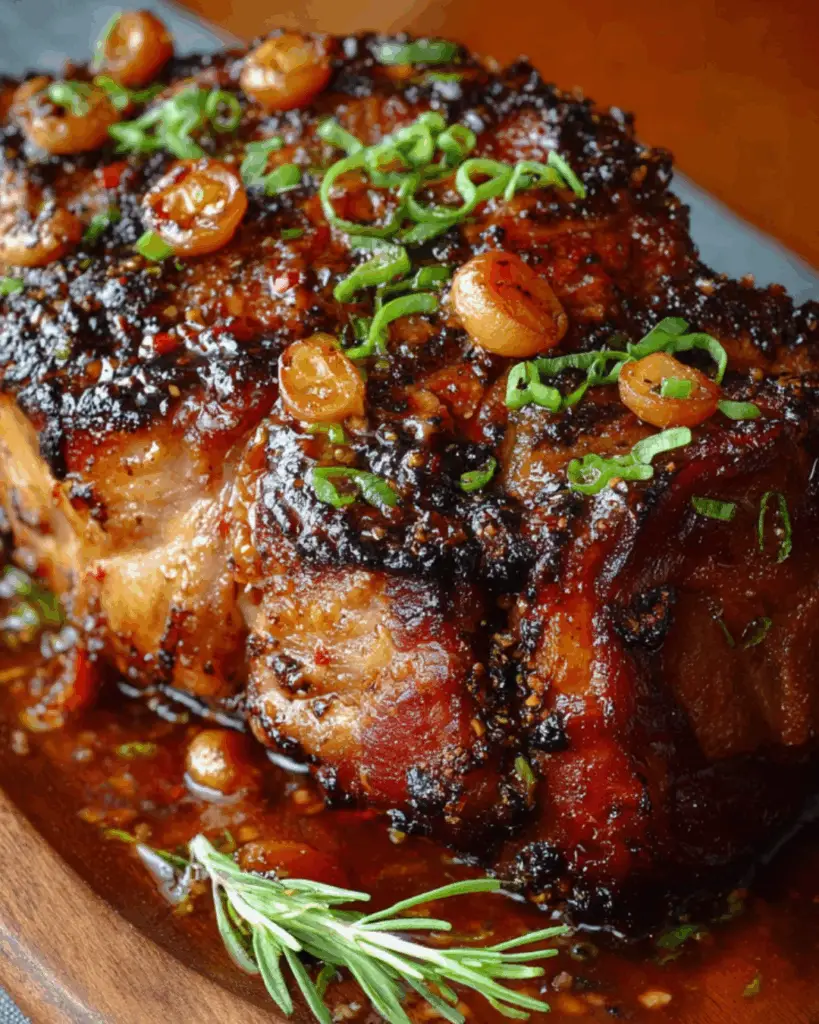
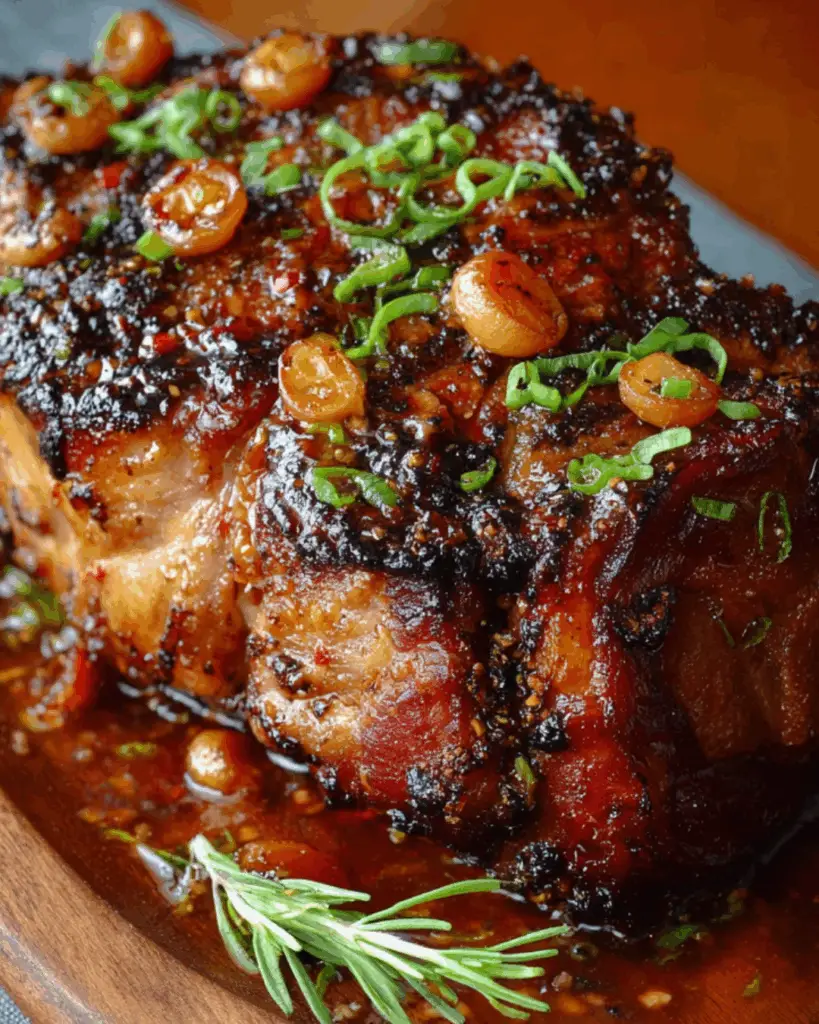
The best ways to cook a pork butt include oven roasting, slow cooking, smoking, braising, pressure cooking, grilling with indirect heat, and cooking it in a Dutch oven. Choose a method based on your time, equipment, and desired texture. For tender pulled pork, cook the meat slowly until it reaches about 195 to 205 degrees F and pulls apart with little effort.
Pork butt is a popular cut for family dinners, backyard cookouts, and game-day meals across the United States. Despite its name, this cut comes from the upper part of the pig’s shoulder, not the rear. It has plenty of connective tissue and fat, which make it well suited to slow cooking. With enough heat and time, a tough piece of meat can turn into tender pork for sandwiches, tacos, and hearty dinners.
You do not need a large smoker or special cooking skills to make a good pork butt. A standard oven works well, and a slow cooker can handle much of the work while you go about your day. Pressure cookers offer a faster route, while smoking gives the meat a deep wood-fired flavor. The main difference between these methods is how they transfer heat, manage moisture, and build flavor.
This guide covers seven practical ways to cook pork butt, along with temperature guidance, timing factors, seasoning ideas, and common mistakes. The goal is to help you choose a method that fits your kitchen and get meat that is tender, flavorful, and safe to eat.
Oven roasting is one of the easiest ways to cook a pork butt because it uses equipment found in most American kitchens. You can roast the meat uncovered for a darker crust or cover it for much of the cooking time to help retain moisture. A low oven temperature gives the connective tissue time to soften without drying the outside too quickly.
For a typical bone-in or boneless pork butt weighing 5 to 8 pounds, plan for several hours in the oven. At 300 degrees F, a roast may take roughly 4 to 7 hours, but the shape, starting temperature, bone, and oven can change that estimate. Treat time as a planning guide, not proof that the meat is ready.
Start by trimming only thick, hard areas of fat while leaving a reasonable layer on top. Pat the pork dry with paper towels, then coat it with salt, black pepper, garlic powder, paprika, and any other spices you like. Place it in a roasting pan with the fat cap facing up when practical. Roast until the meat is tender enough for your intended dish.
Home cooks who want a simple method for pulled pork, sliced pork, or a hearty family meal.
Temperature
A cooking temperature around 275 to 325 degrees F works well for a low-and-slow roast. Lower temperatures usually mean a longer cook.
Moisture control
Add a small amount of broth or water to the pan if you want a moist cooking environment. Avoid letting the roast sit submerged unless you intend to braise it.
How to Roast Pork Butt in the Oven
Heat the oven to 300 degrees F. Season the pork all over and set it in a roasting pan. Insert an oven-safe probe into the thickest part of the meat without touching the bone.
Roast the pork until it develops a browned surface. If the outside becomes dark before the center is tender, cover the pan loosely with foil. Continue cooking until a probe or fork enters the meat easily. For pulled pork, the internal temperature often reaches about 195 to 205 degrees F.
Rest the roast before pulling or slicing it. If you want a firmer outer crust, uncover the pan toward the end of cooking, provided the surface is not already too dark. Save the cooking juices, skim off excess fat if needed, and mix some of the juices back into the shredded pork.
Helpful tip
Do not cut large slits into the roast just to add seasoning. A surface rub and enough cooking time are usually all you need.
Sign of success
The meat should feel tender when probed, and the bone in a bone-in roast may loosen easily as the connective tissue softens.
2. Slow Cooker Pork Butt: Easy Hands-Off Cooking
A slow cooker is a good choice when you want tender pork without watching the oven. The covered pot holds heat and moisture for hours, helping the tough parts of the shoulder soften. This method works especially well for pulled pork, sandwiches, rice bowls, and tacos.
Season the pork with salt, pepper, paprika, onion powder, garlic, and a little brown sugar if you enjoy a sweet rub. Place sliced onion in the bottom of the cooker if desired, then add the pork. Pour in a modest amount of broth, apple juice, or another suitable cooking liquid. Pork releases moisture as it cooks, so you usually do not need to cover it with liquid.
Cook on low for about 8 to 10 hours or on high for roughly 5 to 7 hours as a starting estimate for a large roast. Actual timing depends on the cooker, roast size, and shape. Use tenderness to decide when it is ready for pulled pork. If the meat remains firm, give it more time rather than turning up the heat repeatedly.
Source: themom100.com
Best for
Busy weekdays, meal prep, and cooks who want to leave the meat to cook while handling other tasks.
Liquid amount
Begin with around one-half to one cup of broth or another liquid for a large roast, adjusting for the recipe and cooker size.
Crispy finish
Slow-cooked pork is moist but usually lacks a crisp outer crust. Spread the shredded meat on a baking sheet and broil briefly if you want browned edges. Watch it closely.
How to Keep Slow Cooker Pork From Becoming Watery
Use less liquid than you would in a soup or stew. Keep the lid closed during cooking, since frequent opening releases heat and extends the cook. Once the pork is tender, remove it from the cooking liquid before shredding.
Skim excess fat from the liquid and simmer the liquid in a saucepan if you want a stronger sauce. Add only enough liquid back to the shredded pork to keep it moist. This helps preserve the meat’s flavor without turning the finished dish into a bowl of broth.
Avoid this mistake
Do not judge doneness by the amount of liquid in the pot. A roast can sit in plenty of liquid and still need more time to become tender.
3. Smoked Pork Butt: Deep Flavor and a Dark Bark
Smoking is a favorite method for barbecue fans who want a dark outer crust and a strong wood-fired flavor. The pork cooks over indirect heat while smoke passes around the surface. The long cook gives the shoulder time to become tender and allows the rub to form a flavorful bark.
Heat the smoker to about 225 to 250 degrees F. Season the pork with a dry rub that may include salt, black pepper, paprika, garlic powder, onion powder, and brown sugar. Place the roast on the cooking grate with space around it so air and smoke can circulate. Use a thermometer to monitor both the smoker and the meat.
A 6 to 8 pound pork butt may need roughly 8 to 14 hours or longer at these temperatures. The exact time varies with the smoker, outdoor conditions, meat shape, and cooking temperature. Pork may pause in its temperature rise during a stage often called the stall. Evaporation from the surface can slow the rise, so patience is part of the process.
Source: i.pinimg.com
Best for
Backyard barbecue, pulled pork platters, cookouts, and meals where smoke flavor and bark matter.
Wood choices
Hickory gives a strong smoke flavor, while apple and cherry are often used for a milder, fruity note. Choose a wood intended for food smoking.
Wrapping
Wrapping the pork in foil or unwaxed butcher paper during the stall can help it cook faster and limit moisture loss. Foil usually softens the bark more than leaving the meat uncovered.
How to Tell When Smoked Pork Butt Is Ready
Check the thickest part of the roast in more than one spot, avoiding the bone. For pulled pork, many cooks begin checking for tenderness when the meat reaches around 195 degrees F. It may be ready near 200 degrees F, or it may need more time.
The probe should slide in with little resistance, much like pushing it into softened butter. If the pork reads 203 degrees F but still feels tight, keep cooking and check again. Once tender, rest the roast while keeping it safely hot, then pull it apart and mix in some reserved juices.
Do not chase smoke color
A dark crust can be flavorful, but a blackened surface may mean the heat was too high or the sugar in the rub scorched. Use temperature and tenderness to guide the cook.
4. Dutch Oven Braising: Rich, Moist, and Tender Pork
A Dutch oven is well suited to braising pork butt. Braising combines browning with slow cooking in a covered pot that contains a modest amount of liquid. The result is tender meat and a flavorful sauce that can be served over mashed potatoes, rice, noodles, or soft rolls.
Start by seasoning the pork and browning it in a little oil over medium-high heat, working in batches if needed. Remove the meat and soften onions or garlic in the same pot. Add broth, stock, cider, or another recipe-appropriate liquid, scraping up the browned bits from the bottom. Return the pork to the pot and add herbs or spices.
Cover the pot and place it in a 300-degree-F oven. A 4 to 6 pound roast may need about 3 to 5 hours, depending on the cut and its shape. The liquid should not cover the whole roast. Turn the meat if needed and check its tenderness as it cooks.
Source: recipes-for-life.com
Best for
Pork served in chunks, shredded pork with gravy, and one-pot meals with onions, carrots, or other vegetables.
Liquid choice
Chicken stock gives a savory base, apple cider adds sweetness, and a small amount of vinegar can balance a rich sauce.
Finish the sauce
When the pork is tender, remove it and simmer the liquid uncovered to reduce it. Taste before adding more salt because the sauce becomes more concentrated as it cooks.
Braising Versus Dry Roasting
Dry roasting places more emphasis on the browned surface and gives you better control over a dry crust. Braising traps steam and uses liquid to build a sauce. It is often the better choice when you want the pork served with gravy or vegetables rather than a crisp exterior.
You can combine the two methods by browning the pork first and braising it until tender. If the surface needs more color at the end, remove the lid and let some moisture evaporate, or briefly brown the meat under a broiler while watching closely.
Practical rule
Keep the lid on for most of the braise. Leaving it off for the full cook can cause too much liquid to evaporate before the meat softens.
5. Pressure Cooker or Instant Pot Pork Butt
A pressure cooker can make pork butt tender in much less time than a smoker or slow cooker. Trapped steam raises the cooking temperature above the normal boiling point of water, which speeds up cooking. The trade-off is that the meat will not develop the same smoke ring or firm bark as traditionally smoked pork.
Cutting the roast into large chunks helps it cook more evenly and reduces the time needed for the center to soften. Season the pork, use the sauté setting to brown the pieces if desired, then add the amount of liquid required by your pressure cooker’s manual. Deglaze the pot after browning so that stuck bits do not trigger a burn warning.
For roughly 3 to 4 pounds of pork cut into large chunks, a high-pressure cook of around 60 to 80 minutes may be a reasonable starting point, followed by a natural pressure release. Whole roasts may need longer. These are estimates, not fixed rules; the appliance model, piece size, and starting temperature affect the result. Always follow the manufacturer’s minimum liquid requirements and operating instructions.
Source: i.pinimg.com
Best for
Weeknight pulled pork, meal prep, and cooks who need a faster option than traditional low-and-slow cooking.
Natural release
Let pressure fall naturally for the period recommended by the recipe or appliance instructions. Releasing pressure too early can cause hot liquid to sputter and may affect the final texture.
Improve the texture
After shredding, spread the pork on a sheet pan and brown it briefly in a hot oven or under a broiler. Add a little cooking liquid afterward to keep it moist.
What If the Pork Is Still Tough?
Return the pork to the pressure cooker with enough liquid for safe operation and cook it for another 10 to 15 minutes at high pressure, then allow pressure to release according to the appliance instructions. Check the thickest pieces again.
Do not assume that reaching a safe minimum temperature means the pork is ready to pull apart. Food safety and tenderness are separate goals. For pulled pork, the connective tissue needs enough heat and time to soften.
Avoid overfilling
Keep the contents below the fill limit marked on the appliance. Large pieces of meat and foaming liquids can affect how safely the cooker operates.
6. Grilling Pork Butt With Indirect Heat
You can cook pork butt on a covered grill if it has enough space for indirect heat. This method gives the meat a light grilled or smoky flavor without placing the roast directly over the flame. It works best when the grill can hold a steady temperature for several hours.
Set up a gas grill by turning on one side and leaving the other side off. For a charcoal grill, arrange the coals to one side and place a drip pan on the cooler side if your grill design allows it. Aim for a cooking temperature around 250 to 300 degrees F and place the pork over the unlit area.
Season the pork as you would for roasting or smoking. Close the lid and monitor the grill temperature with a reliable thermometer. Keep the meat away from direct flames, since a large roast takes too long to cook through before its exterior burns if exposed to intense direct heat.
Source: southernliving.com
Best for
Cooks who own a covered grill but do not have a smoker.
Watch the fuel
Keep enough gas or charcoal available for a long cook. Avoid opening the lid too often because temperature swings can extend the cooking time.
Add smoke carefully
Food-safe wood chips or chunks can add smoke flavor when used according to the grill manufacturer’s instructions. Do not use treated, painted, or unknown wood.
Can You Grill Pork Butt Over Direct Heat?
Direct grilling is usually not a good way to cook a whole pork butt from start to finish. The exterior can burn before the thick center becomes tender. Indirect heat gives the meat a longer, gentler cook.
If you want a faster grilled pork dish, cut the meat into smaller pieces and use a recipe designed for those pieces. Do not apply a whole-roast cooking time to pork cubes or thin slices because their cooking rates differ.
Useful check
Use a thermometer to confirm the grill temperature and another probe to check the meat. The lid thermometer alone may not reflect the heat where the roast sits.
7. Slow Oven Braising for Fork-Tender Pork
Slow oven braising is useful when you want tender pork but do not need a crisp bark. It is similar to Dutch oven cooking, but the focus is on a covered, gentle cook rather than browning the meat heavily before adding liquid. A deep covered roasting pan can also work if it is oven-safe and holds moisture well.
Heat the oven to around 275 to 300 degrees F. Season the pork and place it in a covered pot or pan with onions, garlic, herbs, and a small amount of stock or water. Cook until the meat becomes tender, checking the liquid level now and then if the lid does not seal well.
This method suits pork that will be served with its cooking juices or pulled into a moist filling. The meat may not have the dark crust associated with smoked pork, but it can develop deep flavor from seasoning, browned bits, and a reduced sauce.
Source: tastyhomejournal.com
Best for
Comfort meals, pork with gravy, and tender meat served with potatoes or vegetables.
Liquid level
Keep some liquid in the pan without fully submerging the roast. Add hot broth if the pan becomes too dry before the pork is tender.
Finish
Rest the pork, pull or slice it, and serve it with the strained cooking liquid. Reduce the liquid on the stove if a thicker sauce is preferred.
How to Choose Between the Seven Methods
The right method depends on what you value most. A smoker is the better fit for a classic barbecue crust, while a slow cooker makes everyday cooking easier. An oven gives you broad control, and a pressure cooker is useful when time is limited.
Braising methods are well suited to meals with sauce. Grilling with indirect heat makes sense when outdoor cooking is part of the plan. Choose a method that matches the texture you want rather than assuming that one technique is best for every dish.
For pulled pork
Choose the oven, slow cooker, smoker, pressure cooker, or braising method, and cook until the meat pulls apart easily.
For barbecue flavor
Choose smoking or indirect grilling, then allow enough time for the surface to develop a flavorful crust.
For sauce and gravy
Choose a Dutch oven or covered braise, where the cooking liquid can become part of the finished meal.
Pork Butt Cooking Times and Temperatures
Cooking time depends on the weight and shape of the roast, the cooking method, the actual cooking temperature, and whether the pork is bone-in or boneless. Two roasts with the same weight may finish at different times. Use a meat thermometer and a tenderness check instead of relying on the clock alone.
For pulled pork, many cooks aim for an internal temperature around 195 to 205 degrees F because the connective tissue needs time to soften. This is a texture target, not the minimum food-safe temperature for all pork. Whole pork cuts can be safe at a lower temperature when they reach the recommended minimum and receive the required rest, but the meat may still be too firm to shred.
Source: bellyrecipes.com
Oven at 300 degrees F
A 5 to 8 pound roast may take roughly 4 to 7 hours. Check tenderness toward the later part of the estimate.
A large roast may take around 8 to 10 hours, depending on the appliance and meat.
Smoker at 225 to 250 degrees F
A 6 to 8 pound roast may take about 8 to 14 hours or longer. The stall and weather can affect the timing.
Dutch oven at 300 degrees F
A 4 to 6 pound roast may need around 3 to 5 hours for braising, depending on its shape and the amount of connective tissue.
Pressure cooker
Large chunks may need around 60 to 80 minutes at high pressure, plus the time needed to build and release pressure. Whole roasts can take longer.
Covered grill at 250 to 300 degrees F
Plan for several hours and use the meat’s temperature and tenderness to decide when it is ready.
Food Safety: What Temperature Should Pork Butt Reach?
The USDA recommends cooking whole cuts of pork to at least 145 degrees F, followed by a three-minute rest. Ground pork has a different minimum temperature recommendation. These general safety temperatures do not mean a pork butt will be tender enough for pulled pork.
When preparing pulled pork, continue cooking until the connective tissue has softened and the meat separates easily. Keep raw pork and its juices away from cooked food, wash hands and utensils after handling raw meat, and do not use a marinade that touched raw pork as a sauce unless you bring it to a safe boil.
Refrigerate cooked pork within two hours, or within one hour when the surrounding temperature is above 90 degrees F. Store leftovers in shallow containers so they cool quickly. Reheat leftovers to 165 degrees F for food safety.
Use a thermometer
Place the probe in the thickest part of the meat, away from bone and large pockets of fat. Check more than one spot when the roast has an uneven shape.
Rest before serving
A rest helps the juices settle and makes the roast easier to handle. Keep food safety in mind during long rests and avoid leaving cooked pork at room temperature for extended periods.
Seasoning Ideas for Different Pork Butt Recipes
Pork butt has a rich flavor that works with many seasoning styles. A basic rub of salt, black pepper, garlic powder, and paprika is a useful starting point. From there, you can shift the flavor toward barbecue, herbs, citrus, or warm spices without changing the main cooking method.
Apply dry seasoning before cooking so it can flavor the surface. For a large roast, spread the rub across all sides and press it into place. If you have time, season the pork in advance and keep it covered in the refrigerator. Avoid leaving raw pork at room temperature for an extended period while the seasoning sits.
Source: i.pinimg.com
Classic barbecue rub
Use salt, black pepper, paprika, garlic powder, onion powder, and a modest amount of brown sugar. Watch the sugar when cooking over high heat because it can scorch.
Herb and garlic
Combine garlic, rosemary, thyme, black pepper, salt, and a little oil for oven-roasted or braised pork.
Citrus and spice
Use orange or lime juice with garlic, cumin, oregano, and suitable spices for pork that will go into tacos, rice bowls, or sandwiches.
Simple savory blend
Salt, pepper, onion powder, and garlic powder are enough when you want the meat’s flavor to stand out or plan to add a strong sauce later.
Should You Marinate Pork Butt?
A marinade can add flavor to the outer layers, but it will not replace the long cook needed to tenderize a whole shoulder roast. The thickness of the cut limits how deeply most marinades affect the meat during a short soak.
Keep marinating pork in the refrigerator. If you want stronger flavor throughout pulled pork, season the outside well, cook it until tender, and mix the shredded meat with some of the cooking juices or a prepared sauce.
Keep the balance
Use acidic ingredients such as vinegar or citrus in sensible amounts. Too much acid or a very long marinade can affect the texture of the surface.
Common Pork Butt Cooking Problems and How to Fix Them
Most problems with pork butt come from cooking it for too little time, using excessive heat, or expecting one method to create every desired texture. A few simple checks can help you decide what to change before the meat dries out or the meal is delayed.
Source: recipes-for-life.com
The pork is tough
If it is still firm and has not reached the texture you want, continue cooking at the same steady heat. For braised pork, check that some liquid remains in the pot. For pulled pork, test tenderness rather than stopping at a specific number.
The pork is dry
Dryness can come from excessive cooking, lean sections, or holding the meat too long without moisture. Shred or slice the pork and mix in a small amount of reserved cooking liquid or sauce. Next time, monitor the temperature and avoid unnecessary cooking after it becomes tender.
The outside is burning
Lower the heat or cover the meat loosely with foil if the crust becomes too dark before the center is tender. In a grill or smoker, move the roast farther from direct heat.
The pork will not shred
The meat may need more time for connective tissue to soften. Return it to the cooking vessel and continue cooking, checking it at intervals.
The sauce tastes greasy
Let the liquid settle and skim fat from the surface. You can also chill the liquid so the fat firms up and becomes easier to remove before reheating.
Dinner is running late
Do not increase the heat sharply just to meet a deadline, since the outside may overcook before the center softens. If the meal plan allows, finish the pork when it becomes tender, then hold it safely hot or refrigerate it promptly for later use.
Can You Cook Pork Butt the Day Before?
Yes. Cooking pork butt ahead can make serving easier, especially for parties or busy family meals. Let the meat cool safely, divide large amounts into shallow containers, and refrigerate it within the recommended time.
Reheat the pork to 165 degrees F, adding a little broth or cooking juice to help maintain moisture. For a crisp finish, spread the reheated meat in a thin layer on a baking sheet and brown it briefly in a hot oven. Keep the meat moist enough to avoid dry edges.
For meal prep
Store pork in meal-sized portions and label the containers with the date. Use refrigerated leftovers within three to four days, or freeze portions for longer storage.
How to Serve and Store Cooked Pork Butt
Cooked pork butt can anchor a wide range of meals. Serve sliced or shredded meat with roasted potatoes, coleslaw, corn, beans, or a fresh green salad. Pulled pork also works in sandwiches, tacos, quesadillas, baked potatoes, and grain bowls.
For a barbecue meal, mix the shredded pork with a little sauce rather than drowning it. For a braised roast, spoon the cooking juices over each serving. If the meat tastes rich or fatty, add a fresh, crisp side or a little acidity to balance the meal.
Source: sundaysuppermovement.com
Refrigeration
Place leftovers in shallow containers and refrigerate within two hours, or within one hour if the air temperature is above 90 degrees F. Use within three to four days.
Freezing
Freeze cooled pork in airtight, freezer-safe containers or bags. Add a little cooking liquid to help protect the texture during storage.
Reheating
Reheat leftovers to 165 degrees F. Add liquid as needed and stir or turn the meat so it heats evenly.
What Can You Make With Leftover Pork Butt?
Leftover pork is easy to reuse because its flavor works with many sauces and seasonings. Warm it with barbecue sauce for sandwiches, add cumin and chili powder for tacos, or stir it into beans and vegetables for a filling meal.
For crisp pork edges, brown small portions in a skillet with a little oil. Avoid overcrowding the pan, since a packed pan traps steam and prevents browning. Add sauce after the meat develops color so the sauce does not burn.
Quick lunch
Put reheated pork in a tortilla with cabbage, salsa, and lime.
Simple dinner
Serve pork with rice and roasted vegetables, adding some of the cooking juices for flavor.
Crispy sandwich filling
Brown shredded pork in a skillet, then serve it on a toasted roll with slaw or pickles.
Frequently Asked Questions
Q
What is the best way to cook a pork butt?
The best method depends on your goal. Oven roasting is versatile and requires little special equipment. Slow cooking is convenient for tender pulled pork, smoking creates a barbecue crust and wood-fired flavor, and pressure cooking shortens the cooking time. For rich sauce and moist meat, braising in a Dutch oven is a strong option.
Q
How long does it take to cook a pork butt?
A 5 to 8 pound pork butt may take about 4 to 7 hours in a 300-degree-F oven, 8 to 10 hours in a slow cooker on low, or 8 to 14 hours or longer in a smoker running at 225 to 250 degrees F. These estimates vary with the roast and equipment. Check the internal temperature and tenderness instead of relying on time alone.
Q
Should pork butt be cooked covered or uncovered?
Both approaches work. Cooking uncovered helps the surface brown and form a crust. Covering the roast holds in moisture and is useful for braising or preventing the exterior from becoming too dark. You can start uncovered and cover the meat later if needed.
Q
What temperature makes pork butt fall apart?
Pulled pork often becomes tender around 195 to 205 degrees F, but the exact temperature varies. Probe the meat in several places. If the probe meets strong resistance or the meat will not pull apart, keep cooking and check again.
Q
Can you cook pork butt without a smoker?
Yes. An oven, slow cooker, Dutch oven, pressure cooker, or covered grill can all cook pork butt. A smoker adds a distinct wood-fired flavor, but it is not required for tender meat. If you use an oven or slow cooker, a dry rub and a browned finish can add extra flavor.
Q
Is pork shoulder the same as pork butt?
Pork butt, also called Boston butt, comes from the upper shoulder. The term pork shoulder can refer to a broader area that includes the lower picnic shoulder. Both cuts can work for slow cooking, but their shape, fat distribution, and skin may differ, so cooking time and results can vary.
Q
Can pork butt be cooked from frozen?
Do not put a frozen pork butt straight into a slow cooker, because it may spend too long at an unsafe temperature while thawing. Thaw the roast in the refrigerator before slow cooking or roasting. A pressure cooker may allow cooking from frozen under its manufacturer’s instructions, but a large frozen roast can cook unevenly and may need a longer time. Follow the appliance manual and verify the final temperature.
✦ Wrapping Up
Conclusion
There are several good ways to cook a pork butt, and each method offers a different result. Oven roasting is practical for everyday meals, slow cooking keeps the process simple, smoking brings classic barbecue flavor, and pressure cooking saves time. Dutch oven braising and slow oven braising are useful when you want tender meat with a rich sauce, while indirect grilling gives outdoor cooks another option.
The key is to match the cooking method to the meal you want to serve. Season the pork well, keep the heat steady, use a thermometer, and allow enough time for the meat to become tender. For pulled pork, check how easily the meat separates rather than relying on a fixed cooking time or temperature alone.
💡 Key Takeaway
For a simple first attempt, season a 5 to 6 pound pork butt, roast it in a covered pan at 300 degrees F, and begin checking tenderness after several hours. Continue cooking until the meat pulls apart easily, rest it, then mix in a little of the reserved cooking juice before serving.