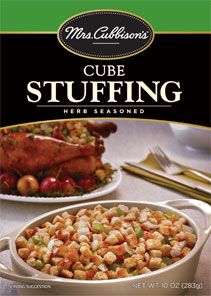
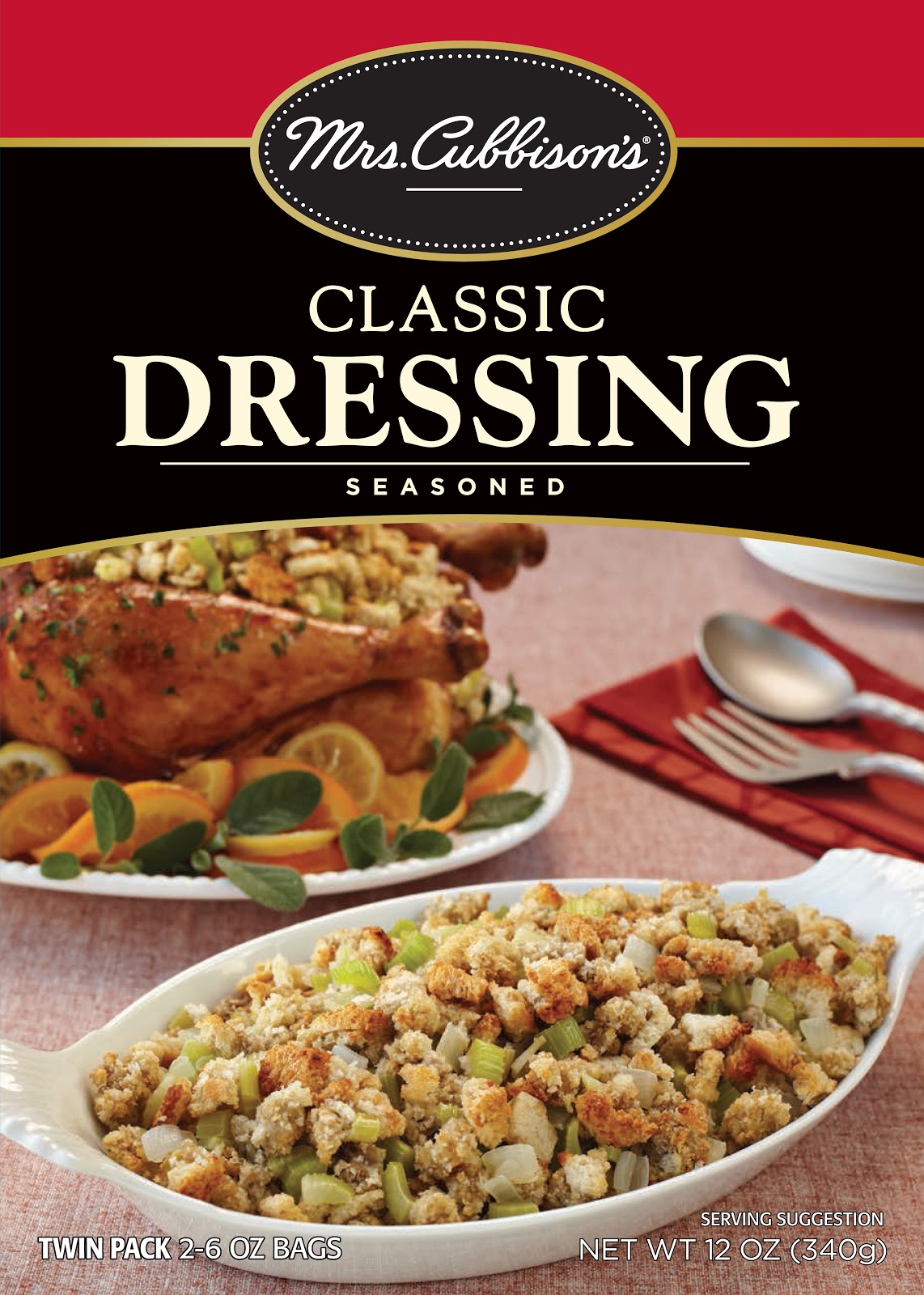
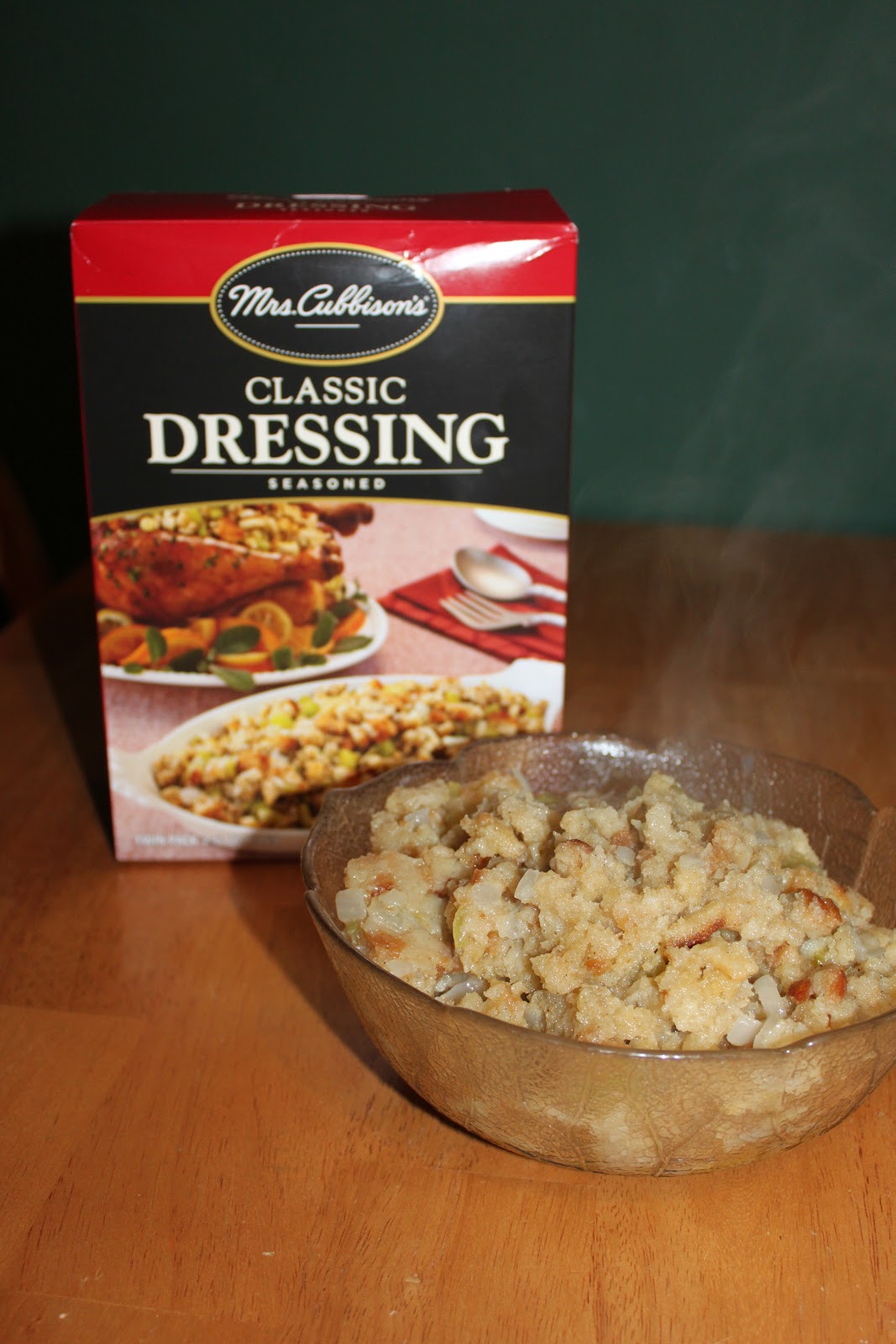
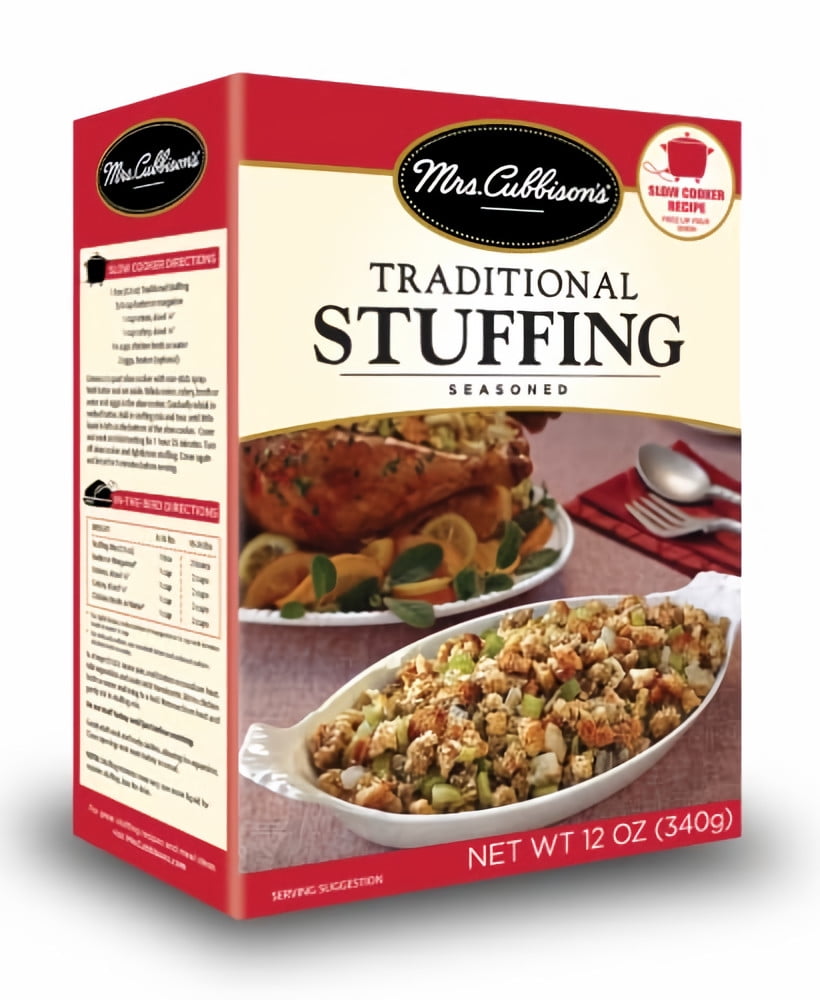
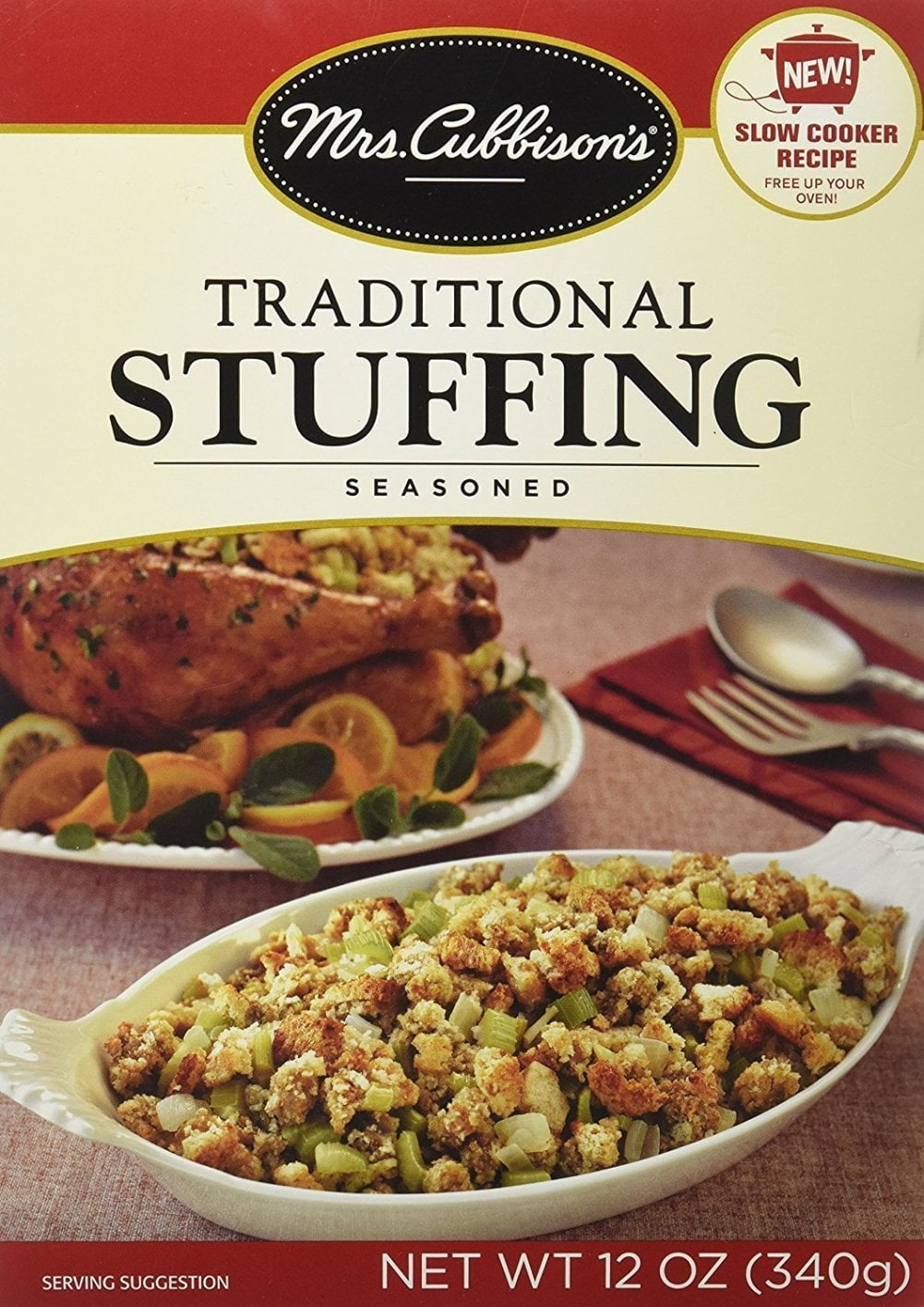
A classic Mrs. Cubbison dressing recipe combines seasoned bread cubes with butter, celery, onion, and broth, then bakes the mixture until hot and tender inside with a lightly crisp top.
Across the United States, bread dressing is a familiar part of Thanksgiving dinner, Christmas meals, and Sunday family gatherings. It often sits beside roast turkey, baked chicken, mashed potatoes, and gravy. Mrs. Cubbison’s seasoned bread products offer a handy starting point because much of the bread seasoning is already in the mix.
This guide explains how to prepare a simple oven-baked dressing with Mrs. Cubbison’s seasoned stuffing or dressing cubes. The recipe below is a practical homemade variation, not a claim that it reproduces an exact package recipe. Product directions and ingredients can vary, so check your package before cooking and adjust the liquid to suit the bread.
A Mrs. Cubbison dressing recipe is a way to turn seasoned bread cubes or stuffing mix into a savory baked side dish. The mix provides the bread and much of the herb flavor. Butter, broth, celery, and onion add moisture, richness, and a more homemade taste.
In many American homes, the words dressing and stuffing describe similar bread-based dishes. Dressing is often baked in a separate casserole dish, while stuffing is traditionally cooked inside poultry. Everyday usage varies by family and region, so the cooking method matters more than the name.
This version uses a separate baking dish. That method makes it easier to check the texture, stir in extra broth if needed, and crisp the top without handling a bird filled with stuffing.
Source: www.pinterest.com
Best for
Thanksgiving dinner, Christmas meals, roast chicken, or an easy comfort-food side.
Main texture
Moist and tender through the center, with a lightly browned surface.
Main flavor
Savory herbs, butter, broth, sweet onion, and mild celery.
Dressing Mix Versus Homemade Bread Dressing
Homemade dressing often starts with dried bread, herbs, and a measured mix of seasonings. A packaged seasoned mix reduces that work because the bread and seasoning are already prepared. You can still add fresh vegetables, broth, butter, or herbs to change the flavor.
The main trade-off is control. A seasoned mix offers convenience, but you have less control over the original salt and herb blend. Taste the cooked vegetables and broth mixture before adding extra salt, and remember that the bread may absorb more liquid as it rests.
For convenience
Start with the package’s basic directions and add vegetables if desired.
For more control
Use unsalted or lower-sodium broth and add extra salt only after tasting.
Ingredients for Easy Mrs. Cubbison Dressing
The ingredients below make a useful starting point for a family-size casserole. The exact yield depends on the size of the bread package and the amount of broth you add. Follow the package directions first if its proportions differ from this variation.
Use plain chicken or turkey broth for a familiar holiday flavor. Vegetable broth works for a meat-free version, provided the bread mix and every other ingredient also meet your dietary needs.
Source: susansdisneyfamily.com
Seasoned bread cubes
About 12 ounces of Mrs. Cubbison’s seasoned dressing or stuffing mix, subject to the package size available.
Butter
Four tablespoons of unsalted butter for sautéing the vegetables and adding a rich flavor.
Celery
One cup of finely chopped celery for a mild, fresh crunch.
Onion
One medium onion, finely chopped, for sweetness and savory depth.
Broth
About two to three cups of chicken or turkey broth, added gradually as needed.
Fresh herbs
One or two tablespoons of chopped parsley, or a small amount of fresh sage or thyme, if desired.
Black pepper
A small pinch to taste. Add salt only after checking the seasoning of the bread mix and broth.
Eggs, optional
One or two beaten eggs can help bind the mixture. Keep them out if you prefer a looser texture, and cook the dressing fully.
How Much Broth Should You Use?
Start with less broth than you think you need, then add more in small amounts. Some bread cubes soak up liquid quickly, while others need time to soften. The amount also depends on whether the product is finely crumbled, cubed, or made from a different bread style.
The correct mixture should look evenly moistened. A few firm pieces are fine before baking, but the bread should not be swimming in broth. Let it rest for several minutes after mixing, then check again before adding more liquid.
Too dry
Add a little warm broth, fold gently, and let it soak in before adding more.
Too wet
Pause before adding more liquid. If the mixture is already soupy, add a small amount of extra dry bread cubes if available.
How to Make Mrs. Cubbison Dressing Step by Step
The key to good dressing is to soften the vegetables, moisten the bread without soaking it, and bake the mixture until the center is hot. These steps use a standard oven-baked method. If your package gives different instructions, use those as the starting point and adapt the added ingredients with care.
For planning, allow roughly 15 minutes for preparation and about 30 to 45 minutes for baking. The actual time depends on the depth of the dish, the amount of dressing, the starting temperature, and your oven.
Source: susansdisneyfamily.com
Step 1: Heat the oven
Preheat the oven to 350 degrees Fahrenheit. Grease a medium casserole dish with butter or a light coating of cooking oil.
Step 2: Chop the vegetables
Cut the celery and onion into small, even pieces so they soften at a similar rate.
Step 3: Melt the butter
Set a skillet over medium heat. Add the butter, celery, and onion. Cook for about 6 to 8 minutes, stirring now and then, until the onion softens and the celery begins to turn tender.
Step 4: Add the herbs
Stir in parsley, sage, or thyme if using. Cook briefly, just until the herbs smell fragrant. Avoid browning the butter or burning the onion.
Step 5: Combine the bread and vegetables
Place the seasoned bread cubes in a large bowl. Add the warm vegetable mixture and fold gently so the butter and vegetables spread throughout the bread.
Step 6: Pour in the broth
Add about two cups of broth to start. Toss gently and wait a few minutes for the liquid to soak in. Add more broth in small amounts only if the bread still seems too dry.
Step 7: Check the texture
Taste a small piece of the mixture before adding salt. The bread should be moist and seasoned, but it should still hold some shape. If using eggs, stir them in only after the mixture has cooled slightly.
Step 8: Fill the casserole dish
Spoon the mixture into the greased dish. Spread it in an even layer without pressing it down too firmly, since a tightly packed mixture can bake up heavy.
Step 9: Cover and bake
Cover the dish with foil and bake for about 20 to 25 minutes. The cover helps keep the bread moist while the center heats.
Step 10: Brown the top
Remove the foil and bake for another 10 to 20 minutes, checking the surface and center. The top should be lightly golden, and the center should be hot throughout.
Step 11: Rest before serving
Let the dish stand for about 5 minutes before serving. This short rest helps the moisture settle and makes the dressing easier to scoop.
How to Tell When the Dressing Is Ready
Look for a lightly browned top and a center that feels soft without being wet or pasty. The bread should be tender, and the vegetables should no longer feel raw or sharply crunchy. If the center still seems cool or the mixture looks loose, return it to the oven and check again.
For a dish containing eggs, raw sausage, or other ingredients that need thorough cooking, use a food thermometer. The center should reach a safe temperature of 165 degrees Fahrenheit. A browned top alone does not prove that the middle is hot enough.
The top browns too fast
Cover the dish loosely with foil and keep baking until the center is ready.
The middle seems dry
Drizzle a small amount of warm broth over the dry area, cover, and heat briefly.
Tips for Better Flavor and Texture
A good bread dressing should taste savory without being too salty, and it should hold together without turning into a solid block. Small changes to the broth, vegetables, and baking method can make a noticeable difference.
Seasoned bread cubes already contain flavor, so build on that base rather than adding every spice in the cupboard. Make one or two changes at a time, especially when preparing a packaged mix for the first time.
Source: walmart.com
Cook the vegetables first
Raw onion and celery can stay firm in a short bake. Sautéing them first gives them a softer texture and lets the butter carry their flavor through the bread.
Use warm broth
Warm broth blends more easily with the butter and helps the bread absorb moisture evenly. It should be warm, not boiling.
Avoid overmixing
Fold the bread gently. Aggressive stirring can break the cubes into crumbs and create a dense, paste-like texture.
Keep the layer even
Spread the dressing to a similar depth across the dish. A very deep center may take longer to heat than the edges.
Taste before salting
Seasoned bread and commercial broth can both contain salt. A small taste can prevent an overly salty side dish.
Let the top brown uncovered
The final uncovered bake allows surface moisture to escape and gives the top a little color.
Can You Make It Ahead?
You can prepare the vegetable mixture ahead of time and refrigerate it in a covered container. For the best texture, combine it with the bread and broth closer to baking time, unless the product directions provide a make-ahead method. This helps reduce the chance of the bread soaking up too much liquid before it reaches the oven.
If you assemble the full dish ahead, refrigerate it promptly and keep it cold until baking. Do not leave a wet bread mixture with eggs or other perishable ingredients at room temperature for an extended period. A chilled casserole may need more baking time, so check the center with a thermometer rather than relying only on the clock.
A simple prep plan
Chop the vegetables and cook them in butter the day before, then chill them in a covered container.
Before baking
Mix the bread and broth, check the moisture, and bake until the center reaches the appropriate safe temperature.
Easy Ways to Change the Basic Recipe
The basic recipe can be adjusted to suit different meals, but add-ins change the moisture, flavor, and cooking needs. Start with the plain version once so you can judge how much broth the bread needs. Then try a variation that fits the rest of your menu.
Keep added ingredients in proportion to the bread. Too many wet vegetables or a large amount of broth can make the casserole heavy, while dry add-ins may absorb liquid and leave the center crumbly.
Source: walmart.com
Sage and thyme dressing
Add a small amount of chopped sage or thyme with the sautéed vegetables. These herbs pair well with turkey and roast chicken.
Mushroom dressing
Cook sliced mushrooms with the onion and celery until their released liquid has mostly evaporated. Add broth slowly because mushrooms can contribute extra moisture.
Stir in a small amount of diced apple, cooked with the vegetables until just tender. Its mild sweetness can balance the savory bread.
Vegetarian dressing
Use vegetable broth and confirm that the bread mix contains no ingredients that conflict with your dietary needs. Check the label rather than assuming every seasoned mix is vegetarian.
Sausage dressing
Brown the sausage in a skillet and drain excess fat before mixing it with the bread. Cook the finished dressing to 165 degrees Fahrenheit at the center.
Oyster dressing
Oysters create a traditional regional variation, but seafood adds moisture and requires careful handling. Use a trusted recipe with clear ingredient amounts and cook the center thoroughly.
Should You Add More Herbs?
Add fresh herbs in small amounts because the bread mix may already contain sage, parsley, or other seasonings. Too much dried sage can dominate the dish, while too much salt can be hard to correct once the bread absorbs the liquid.
Fresh parsley adds a mild green note, while sage and thyme give a more traditional holiday taste. If you are unsure which herbs are in the mix, start with parsley and black pepper, then adjust the next time.
For a mild taste
Use parsley and a small pinch of black pepper.
For a classic holiday taste
Add a little sage or thyme, then taste before adding more.
Common Problems and How to Fix Them
Most dressing problems come from the moisture level, the depth of the casserole, or the amount of time it spends in the oven. Check the mixture before baking and use the texture of the finished dish to guide small changes next time.
Avoid trying to fix every problem with more butter. Fat adds richness, but it does not replace the liquid needed to soften dry bread, and it cannot make an undercooked center safe to eat.
Source: www.pinterest.com
The dressing is dry and crumbly
The bread may not have absorbed enough broth, or the casserole may have baked too long uncovered. Add a little warm broth, cover the dish, and heat until the center is hot.
The dressing is soggy
Too much broth may have been added, or the bread may have sat in liquid for too long. If the center is fully cooked, uncover the dish and bake briefly to let some moisture escape. For a mixture that is still raw and soupy, extra dry bread may help absorb liquid.
The vegetables are crunchy
The celery or onion may not have been sautéed long enough. Cook them until tender before combining them with the bread.
The top is dark but the center is cool
The oven may be too hot, or the dish may be too deep. Cover the top with foil, lower the oven temperature slightly if needed, and continue cooking until the center is hot.
The flavor is too salty
Salt in the bread mix and broth may have added up. If the mixture is not baked yet, add more unsalted bread and suitable unsalted liquid in small amounts. Avoid adding more salt.
The dressing is dense
The bread may have been crushed during mixing or packed too tightly into the dish. Fold gently and leave the mixture lightly spread rather than pressing it down.
Can You Fix Dressing After It Comes Out of the Oven?
Yes, some texture problems can be corrected after baking. A dry dressing often improves with a small splash of warm broth and a short covered reheating period. A wet dressing may improve with a brief uncovered bake, as long as the dish has been handled safely and the center is fully cooked.
If the dressing contains raw meat or eggs and has not reached a safe internal temperature, return it to the oven rather than serving it. Use a food thermometer in the center. Do not judge safety by color, smell, or the appearance of the crust alone.
For dry leftovers
Add a small amount of broth, cover, and reheat until steaming hot throughout.
For a wet surface
Uncover during the final part of reheating so excess moisture can escape.
What to Serve With Mrs. Cubbison Dressing
This savory dressing fits naturally into a holiday meal, but it can also serve as a side for a simple roast chicken dinner. Its bread-based texture pairs well with tender meat, green vegetables, roasted roots, and sauces that bring moisture to the plate.
If the rest of the meal includes rich gravy, creamy potatoes, and buttery vegetables, keep the dressing fairly simple. If the main dish is plain roasted chicken, a little extra herb flavor or sautéed mushroom can make the side feel more complete.
Source: amazon.com
Roast turkey
Serve the dressing with turkey, gravy, cranberry sauce, and green beans for a familiar Thanksgiving plate.
Roast chicken
Pair it with roast chicken and steamed or roasted vegetables for a smaller Sunday meal.
Baked ham
The savory herb flavor balances the sweet glaze often served with ham.
Vegetarian main dishes
Serve a version made with vegetable broth beside roasted squash, green beans, or a hearty vegetable bake.
Leftover turkey bowls
Add a spoonful of dressing to a bowl with chopped turkey and cooked vegetables, then moisten with hot broth or gravy.
How Much Dressing Should You Make?
The right amount depends on the bread package size, the number of side dishes, and how much your guests enjoy dressing. A 12-ounce bread mix with added vegetables and broth can make a substantial casserole, but the exact number of servings depends on portion size and the final volume.
For a large holiday gathering, check the package yield and plan portions alongside the other sides. Making two shallow casseroles can also be easier than baking one very deep dish because the dressing may heat more evenly.
Small family meal
Use the package yield as your guide and scale the vegetables and broth to match.
Large gathering
Consider two dishes and check the center of each one for doneness.
How to Store, Freeze, and Reheat Dressing
Store leftover dressing in the refrigerator in a covered, shallow container. Refrigerate it within two hours of cooking, or within one hour when the surrounding temperature is above 90 degrees Fahrenheit. Shallow containers help the food cool more quickly than one large, deep container.
For general food safety, use refrigerated leftovers within three to four days. Freeze leftovers if you need to keep them longer. Date the container so you know when it was stored, and discard food that has been left out too long rather than trying to make it safe by reheating.
Source: walmart.com
Refrigeration
Place leftovers in a covered container and chill promptly. Do not leave the casserole on the counter through the evening.
Freezing
Cool the dressing safely, portion it into freezer-safe containers, and seal well. For better texture, use it within a few months.
Oven reheating
Place the dressing in an oven-safe dish, add a little broth if dry, cover, and heat until the center reaches 165 degrees Fahrenheit.
Microwave reheating
Heat a small portion in a microwave-safe dish, cover loosely, and stir or rotate as needed so the food heats evenly. Check the center temperature.
Can You Freeze Unbaked Dressing?
Freezing an assembled bread dressing can change its texture because the bread may absorb liquid during storage and thawing. Ingredients such as raw eggs, sausage, or seafood also add food-safety concerns. For a more predictable result, prepare and freeze the cooked dressing, or freeze the cooked vegetable mixture separately and combine it with the bread closer to baking time.
If you choose to freeze an unbaked casserole, use a recipe with clear freezing and thawing instructions. Keep it cold, thaw it safely in the refrigerator when appropriate, and allow enough baking time for the center to reach a safe temperature.
Best texture approach
Freeze cooked portions in airtight containers, then reheat them with a splash of broth if needed.
Avoid unsafe thawing
Do not thaw a perishable casserole on the kitchen counter for hours.
Frequently Asked Questions
Q
Can I make Mrs. Cubbison dressing without celery?
Yes. You can leave out the celery and use onion alone, or replace the celery with a small amount of finely chopped mushroom. Cook any replacement vegetable until tender before mixing it with the bread. The flavor and texture will change, but the dish can still work well.
Q
Should I follow the package directions or this recipe?
Use the package directions as the first guide because products and package sizes can differ. The recipe here is a homemade variation that adds sautéed vegetables and offers a gradual approach to broth. If the package calls for a different liquid amount or baking method, adjust the variation to fit the product.
Q
Can I make Mrs. Cubbison dressing without eggs?
Yes. Eggs are optional in this variation. Without them, the dressing may be a little looser, but it can still bake into a moist side dish. Use broth to control the texture and check the bread mix and other ingredients if you are cooking for someone with an egg allergy.
Q
How do I keep the dressing from getting mushy?
Add broth in small amounts and give the bread time to absorb it before adding more. Avoid crushing the cubes while mixing, and do not pack the casserole too tightly. If the mixture looks soupy before baking, correct the liquid balance rather than hoping the oven will fix all of it.
Q
Can I cook this dressing inside a turkey?
A casserole is the simpler method because the dressing can be baked and checked separately. If you cook stuffing inside a turkey, prepare it just before filling the bird and do not pack it tightly. The center of the stuffing must reach 165 degrees Fahrenheit, and the turkey itself must also reach a safe internal temperature. A separate baking dish is easier to monitor.
Q
What is the difference between Mrs. Cubbison’s dressing and stuffing?
The words often refer to the same type of seasoned bread dish. Some cooks use dressing for a casserole baked outside the bird and stuffing for a mixture cooked inside poultry. Product names can use either term, so check the package directions and choose the cooking method that suits your meal.
Q
How long does cooked dressing last in the refrigerator?
Refrigerate cooked dressing within two hours and use it within three to four days. Reheat leftovers to 165 degrees Fahrenheit throughout. Freeze portions you will not use within that period, and discard leftovers that have been held at unsafe temperatures.
✦ Wrapping Up
Conclusion
A Mrs. Cubbison dressing recipe is easy to adapt for a holiday meal or a simple roast dinner. Seasoned bread cubes provide the base, while butter, celery, onion, and broth help create a rich, savory casserole. The most useful trick is to add the broth slowly so the bread turns moist without becoming soggy.
Keep the mixture loosely packed, bake it until the center is hot, and uncover it near the end for a lightly browned top. Follow the package directions when they differ, especially if you are using another product size or a special stuffing blend. Store leftovers promptly and reheat them thoroughly.
💡 Key Takeaway
Start with the package directions, sauté the celery and onion in butter, add broth gradually, and bake in a greased dish at 350 degrees Fahrenheit until the dressing is hot throughout and the top is lightly browned.