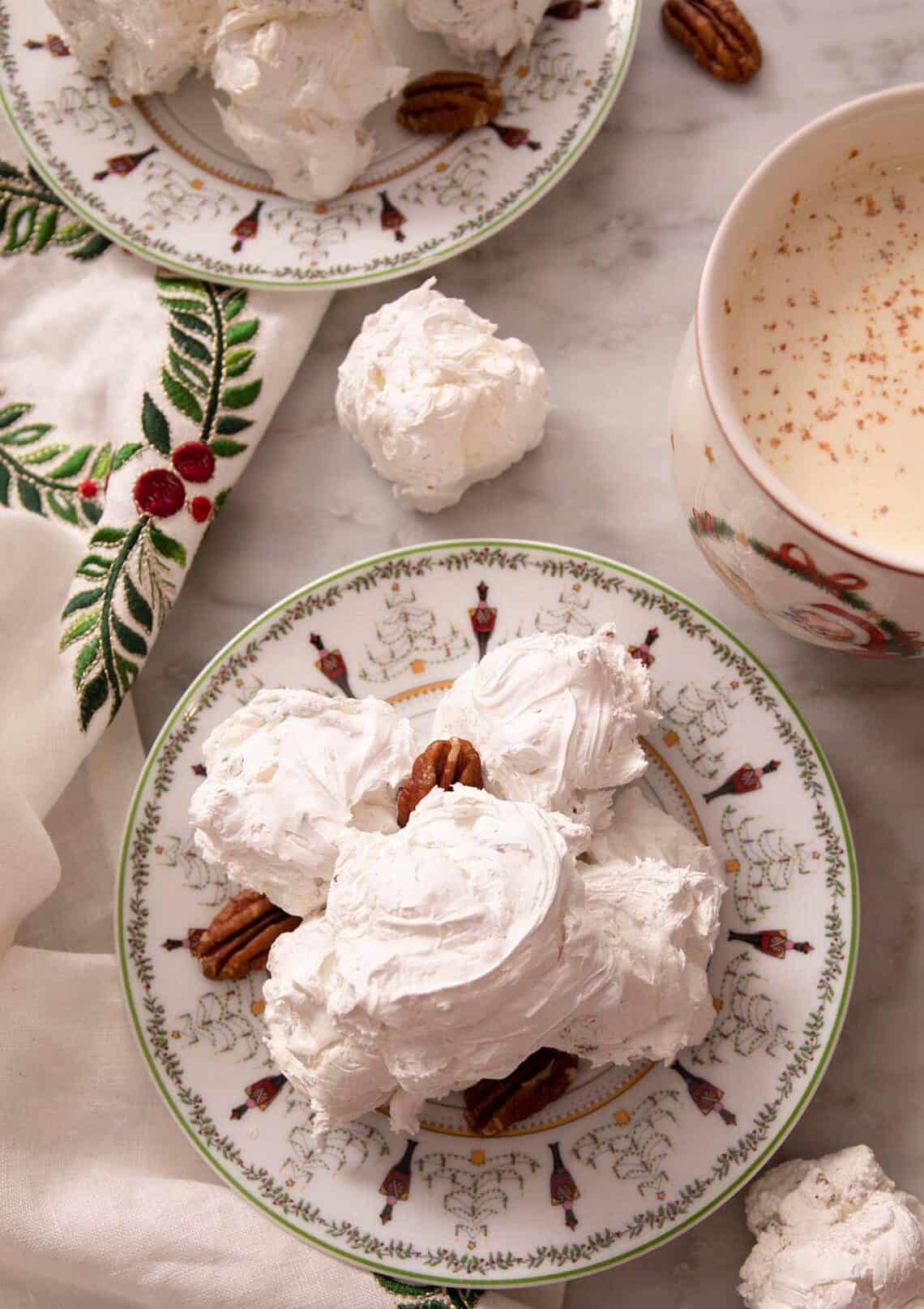
A Betty Crocker-style divinity recipe makes a light, sweet candy from sugar, corn syrup, egg whites, and vanilla. Beat the hot syrup into stiff egg whites, then whip the mixture until it holds its shape. Spoon small mounds onto wax paper and let them dry until the outsides feel set.
Across the United States, divinity candy often appears on Christmas cookie trays, at church suppers, and beside homemade fudge during the holiday season. Its white color, soft bite, and nutty crunch make it easy to spot. The candy looks simple, but the sugar syrup needs care. A small change in temperature or humidity can affect the final texture.
The search for a divinity recipe Betty Crocker readers can use may lead to several versions of this old-fashioned sweet. Ingredient amounts and methods can vary between recipes, so this guide gives a practical home-kitchen method rather than claiming to reproduce a verified historical Betty Crocker formula. It also explains what to watch for when the candy stays sticky, turns grainy, or refuses to hold its shape.
Divinity is a sweet, airy candy made by combining beaten egg whites with hot sugar syrup. When the syrup and egg whites blend well, the mixture becomes thick, glossy, and light. The finished candy has a dry outer shell and a tender center that can feel a little like soft nougat.
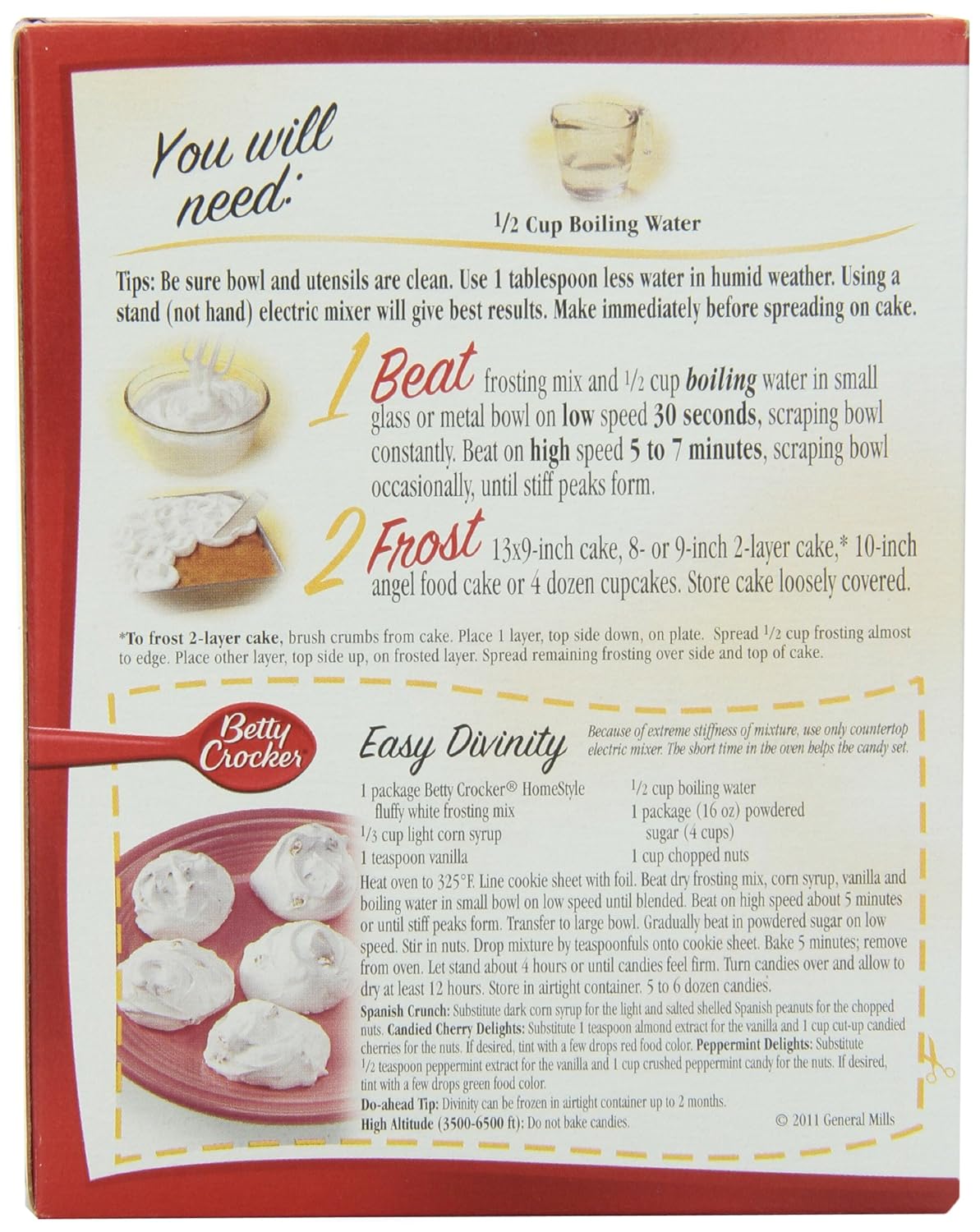
The name Betty Crocker is often linked with classic American home cooking and vintage recipe collections. Still, a recipe found online under that name is not automatically an official Betty Crocker recipe. Check the original source if you need the exact ingredients or wording from a specific cookbook or website.
A good homemade batch should hold small peaks when spooned onto paper. It should not spread into flat puddles or remain wet for hours in normal, dry room conditions. The texture can vary with the syrup temperature, the amount of mixing, and the weather.
Source: banana-breads.com
Texture
A successful piece feels light and dry on the outside, with a soft, slightly chewy center.
Flavor
Vanilla gives the candy its familiar sweet aroma. Pecans or walnuts add a mild, toasted flavor and a bit of crunch.
Best use
Serve divinity as a small treat on holiday platters, at family gatherings, or in a homemade candy gift box.
How Divinity Differs From Fudge
Fudge usually gets its rich, dense texture from sugar, dairy, and sometimes chocolate. Divinity uses whipped egg whites to trap air, which gives it a much lighter feel. The two candies also need different mixing methods, so a fudge recipe cannot be used as a direct substitute.
Divinity
Light, pale, airy, and often made with chopped nuts.
Fudge
Dense, rich, and often cut into firm squares after cooling.
Ingredients for Homemade Divinity
The ingredients are simple, but each one has a job. Sugar forms the candy base, corn syrup helps limit unwanted sugar crystals, egg whites create the airy structure, and vanilla adds flavor. Nuts are optional, though pecans are a common choice in American home recipes.
The following amounts are a practical starting point for a home batch. They are not presented as a verified transcription of a particular Betty Crocker recipe. Use a tested recipe from your chosen source if exact historical measurements matter.
Source: banana-breads.com
Granulated sugar
Use 2 1/2 cups of regular white granulated sugar. Measure it level so the syrup ratio stays consistent.
Light corn syrup
Use 1/2 cup. It helps reduce the chance of large sugar crystals forming during cooking.
Water
Use 1/2 cup to dissolve the sugar and corn syrup as the syrup heats.
Egg whites
Use 2 large egg whites at room temperature. Keep the bowl and beaters free from grease and yolk.
Vanilla extract
Use 1 teaspoon for a warm, familiar flavor.
Chopped nuts
Use about 1 cup of chopped pecans or walnuts, if desired. Leave them out for a plain version.
Salt
A small pinch can balance the sweetness, though it is optional.
Equipment to Gather First
Set out a heavy saucepan, a candy thermometer, a stand mixer or sturdy hand mixer, a heat-safe mixing bowl if needed, a silicone spatula, and wax paper or parchment paper. A candy thermometer is especially useful because the right syrup temperature helps the candy set.
Keep the work area clear before cooking begins. Once the syrup reaches its target temperature, the next steps move quickly. Hot sugar can cause serious burns, so keep children and pets away from the stove and avoid touching or tasting the syrup.
Heavy saucepan
A sturdy pan heats the syrup more evenly and gives it room to bubble without spilling.
Candy thermometer
Clip it to the pan without letting the tip touch the bottom, which can give a misleading reading.
Electric mixer
A mixer helps build stable egg-white foam and beat the syrup mixture until it thickens.
How to Make Divinity Step by Step
The main task is to cook the syrup to the right stage, pour it into beaten egg whites, and whip the mixture until it can hold its shape. Prepare the paper-lined tray and measure every ingredient before you turn on the stove.
For this method, aim for the hard-ball stage, about 250°F to 266°F, with 260°F often used as a practical target in divinity recipes. Follow the temperature specified by the recipe you choose, since ratios and methods can differ. A thermometer reading is more reliable than a guess based on how the syrup looks.
Source: banana-breads.com
Step 1: Prepare the tray
Cover a large tray or counter-safe board with wax paper or parchment paper. Leave enough space between the spots where each piece will sit.
Step 2: Mix the syrup ingredients
Add the sugar, corn syrup, and water to a heavy saucepan. Stir gently over medium heat until the sugar dissolves. Once the syrup boils, avoid unnecessary stirring because crystals on the pan sides can encourage graininess.
Step 3: Heat the syrup
Clip on the candy thermometer and cook the syrup until it reaches the temperature called for by your recipe. Watch the pan closely as it nears the target. Keep hands and face clear of splashes.
Step 4: Beat the egg whites
While the syrup cooks, beat the egg whites in a clean bowl until stiff peaks form. The peaks should stand when the beaters are lifted. If the whites are still runny, give them more time before adding syrup.
Step 5: Add the hot syrup slowly
With the mixer running, pour the hot syrup in a thin, steady stream into the egg whites. Aim for the side of the bowl rather than the beaters. Take care not to splash the hot syrup.
Step 6: Beat until thick
Continue beating until the mixture loses some shine, becomes thick, and holds a mound. This can take several minutes, depending on the mixer, bowl, room conditions, and recipe. Watch the texture rather than relying on a fixed time.
Step 7: Add vanilla and nuts
Mix in the vanilla and chopped nuts near the end. Stir only until they are spread through the candy. Too much extra mixing can make the mixture difficult to spoon.
Step 8: Shape the candy
Use two spoons to drop small mounds onto the prepared paper. Work at a steady pace because the mixture firms as it cools. If it becomes too stiff to shape, do not add water or try to reheat it in an unsafe way.
Step 9: Let the pieces set
Leave the candy at room temperature until the surfaces feel dry and the pieces hold their shape. The setting time varies with humidity and the size of each mound. Do not stack the pieces while they are still soft.
How to Tell When the Mixture Is Ready
Look for a thick mixture that falls from the spoon in a slow ribbon and briefly keeps its shape on the surface. It should be firm enough to form mounds without quickly flattening. The shine often fades as the mixture approaches the right stage, but shine alone is not a dependable test.
If the mixture remains loose, continue beating briefly and check again. If it turns very stiff before you can shape it, the mixture may have been beaten too long or cooled too much. The best cue is a balance: thick enough to hold a mound, but soft enough to spoon.
Ready
The mixture holds a soft peak and can be dropped into distinct mounds.
Too loose
The mixture runs off the spoon and spreads into a flat shape.
Too stiff
The mixture clumps around the beaters and becomes hard to portion.
Why Weather Matters When Making Divinity
Humid weather can make divinity harder to set because the candy absorbs moisture from the air. A batch that works well on a cool, dry day may stay tacky on a rainy afternoon. This is one reason many home candy makers prefer a dry day for this recipe.
Weather is not the only factor. A syrup cooked below the intended temperature may leave too much moisture in the candy, while a mixture that is not beaten enough may fail to hold its shape. Check the thermometer and the mixing stage before blaming the room conditions.
Source: banana-breads.com
Choose a dry day
When you can, avoid making divinity during very humid weather or while steam from cooking fills the kitchen.
Keep the work area dry
Do not place the candy beside a steaming kettle, a boiling pot, or an open dishwasher releasing moisture.
Allow enough setting time
Do not seal warm or damp candy in a container. Let it cool and set first.
Can You Make Divinity on a Rainy Day?
You can try, but the result may be less reliable when the air is damp. If the weather cannot be changed, pay close attention to the syrup temperature and the final beating stage. Give the candy more time to set in a dry indoor space, but do not assume that extra waiting will fix syrup that was cooked too cool.
If the surface stays sticky
Let the pieces stand longer in a dry room before packing them.
If the pieces spread
Review the syrup temperature and whether the mixture was beaten until thick enough.
Common Divinity Problems and How to Fix Them
Divinity can be fussy, but most problems point to a small group of causes: syrup temperature, egg-white foam, mixing time, or moisture in the room. Change one factor at a time when you make the next batch. That makes it easier to see which step needs attention.
Candy that has already cooled and failed to set may not return to the right texture. Avoid risky attempts to melt or rework it unless your recipe gives a safe, tested method. Hot sugar can cling to skin and cause severe burns.
Source: banana-breads.com
The candy stays sticky
Possible causes include humid air, syrup cooked below the target temperature, or insufficient drying time. Check the thermometer first, then consider the room conditions.
The candy spreads flat
The mixture may be too warm or too loose when spooned. Continue beating briefly if it is still in the bowl and has not become stiff.
The candy is grainy
Sugar crystals may have formed during cooking or mixing. Let the sugar dissolve fully before the syrup boils, and avoid scraping crystals from the pan sides into the syrup.
The candy turns hard too soon
The mixture may have been beaten too long or left in the bowl until it cooled too much. Shape the pieces as soon as the mixture can hold a mound.
The egg whites will not whip
Grease, yolk, or water in the bowl can interfere with foam formation. Use a clean, dry bowl and separate the eggs carefully.
The candy has a strong egg smell
The vanilla may be too weak for the batch, but the more important issue is using egg whites safely. Use clean, fresh eggs and a method that adequately heats the mixture.
A Simple Troubleshooting Checklist
Before starting another batch, ask four questions. Did the syrup reach the recipe’s target temperature? Were the egg whites at stiff peaks? Was the hot syrup poured in slowly? Did the mixture become thick enough before shaping? These checks cover many common failures without adding extra ingredients or guessing at a fix.
Write down the syrup temperature and the room conditions if the batch fails. A short note can help you adjust the next attempt. Do not change the sugar, water, and corn syrup amounts at random because those ratios affect the candy’s structure.
First check
Confirm the thermometer reading and make sure its tip did not touch the pan bottom.
Second check
Make sure the egg whites formed firm peaks before the syrup was added.
Third check
Review the speed of the syrup pour and the final beating stage.
Flavor Variations and Serving Ideas
Classic vanilla divinity is sweet enough to stand on its own, so keep changes modest on the first batch. Nuts are the easiest variation because they add texture without introducing much extra moisture. Chop them into small pieces so each candy mound is easy to bite.
For a holiday tray, pair divinity with treats that have a different texture, such as crisp cookies, chocolate fudge, or roasted nuts. Since divinity is very sweet, small portions work well. Let each piece set fully before placing it beside other candies.
Source: banana-breads.com
Pecan divinity
Fold in chopped pecans near the end of mixing for a classic nutty version.
Walnut divinity
Use chopped walnuts for a slightly earthier flavor. Keep the pieces small so they do not tear the candy as you shape it.
Plain vanilla divinity
Leave out the nuts for a smooth, simple candy with a clean vanilla taste.
Holiday candy platter
Serve small pieces with fudge, peanut brittle, or sugar cookies. Keep the candies separated if their textures or aromas could affect one another.
Should You Add Food Coloring?
Traditional divinity is usually white or cream colored. A tiny amount of food coloring can change its look, but extra liquid may affect the mixture if too much is used. For a first batch, leave the color natural and focus on getting the texture right.
For a classic look
Keep the mixture plain and let the vanilla and nuts provide the flavor.
For a themed tray
If you use coloring, choose a concentrated product and add only a small amount near the end of mixing.
How to Store Homemade Divinity
Store divinity only after the pieces have cooled and set. Place them in an airtight container in a cool, dry spot, with parchment or wax paper between layers if needed. Moist air can soften the outside, so avoid leaving the container open on the counter.
For the best texture, follow the storage guidance in the recipe you use and make only as much as you can store well. Homemade candy does not have the same shelf-life controls as factory-made candy, and storage time depends on the ingredients, handling, and room conditions.
If the pieces become damp, develop an unusual odor, or show signs of spoilage, do not serve them. Since divinity contains egg whites, choose a preparation method that adequately heats the mixture and use safe food-handling practices.
Source: banana-breads.com
Use an airtight container
A tight lid helps protect the candy from moisture and kitchen odors.
Separate the layers
Use wax paper or parchment paper to stop pieces from sticking together.
Keep it away from heat
Avoid sunny windowsills, warm appliances, and damp areas near the sink.
Pack it with care
Use a clean container and avoid pressing down on the delicate pieces.
Can Divinity Be Made Ahead?
Yes, it can be prepared ahead for a holiday gathering if the candy is fully set and stored well. Make a small test batch before an important event if you have never made divinity in your kitchen. That gives you a chance to learn how your mixer, thermometer, and local humidity affect the result.
Before serving
Check that the candy is dry enough to handle and has no unusual odor or signs of spoilage.
For gifting
Pack the pieces in a clean, dry container and keep them protected from heat and damp air.
Food Safety Tips for Divinity Candy
Divinity uses egg whites, so safe preparation matters. The hot syrup is added to whipped whites, but you should not assume that this step guarantees a safe final product under every recipe and mixing condition. Use pasteurized egg whites when suitable for the recipe, or follow a reliable method designed to heat the egg mixture safely.
Handle hot syrup with care. Sugar syrup can stick to skin and keep burning, so do not touch it to test the temperature or taste it while hot. Keep the pan stable, pour slowly, and use heat-safe equipment.
If you are serving the candy to someone who needs to avoid raw or undercooked egg products, choose a recipe with clear food-safety guidance. Do not rely on appearance alone to judge whether egg whites have reached a safe temperature.
Source: banana-breads.com
Avoid tasting hot syrup
Use a thermometer to check temperature and keep your hands away from splashes.
Use clean equipment
Wash and dry the bowl, beaters, spatulas, and work surfaces before preparing the egg whites.
Follow a reliable method
Choose a recipe that explains how the egg whites and syrup are handled, especially when serving people at higher risk from foodborne illness.
What to Know Before Using a Betty Crocker Recipe
If you want the exact divinity recipe from a Betty Crocker cookbook or website, check the edition or original publication rather than relying on a copycat title. Recipe names can be reused by independent food blogs, and their ingredient ratios may differ. A reliable source should give clear quantities, syrup temperature, and mixing instructions.
When comparing two versions, check the sugar-to-liquid ratio, the amount of egg white, the syrup target temperature, and the point at which the mixture should be shaped. These details have a direct effect on texture. A version that uses a different syrup ratio may need a different cooking or beating approach.
The practical lesson is simple: pick one complete recipe and follow it closely for the first attempt. Do not combine the ingredient list from one version with the cooking instructions from another unless the method has been tested for those amounts.
Source: banana-breads.com
Check the source
Confirm whether the recipe comes from Betty Crocker directly, a named cookbook, or an independent copycat page.
Follow one method
Keep the ingredients and instructions together instead of mixing details from separate recipes.
Record your results
Note the syrup temperature, weather, and texture so you can make a more informed adjustment next time.
Frequently Asked Questions
Q
Why did my divinity candy not harden?
The syrup may not have reached the target temperature, the mixture may not have been beaten enough, or the room may have been too humid. Check the thermometer reading first. Then review whether the mixture became thick enough to hold its shape before you spooned it onto the paper.
Q
Can I make divinity without a candy thermometer?
It is possible with a reliable cold-water test and a recipe that explains the method, but a candy thermometer makes the process easier to judge. If you use one, make sure its tip does not touch the bottom of the saucepan. A wrong reading can lead to candy that stays soft or becomes too hard.
Q
Why is my divinity grainy?
Graininess often comes from unwanted sugar crystals. Let the sugar dissolve before the syrup boils, and avoid scraping crystals from the pan sides into the mixture. Use the syrup temperature and stirring instructions given in your chosen recipe.
Q
Can I leave nuts out of divinity?
Yes. Nuts are optional in many versions, and plain vanilla divinity can still set well. Leave them out rather than replacing them with a wet ingredient that could change the texture.
Q
How long does homemade divinity take to set?
The time varies with the recipe, the size of the pieces, and the humidity in the room. Let the candy stand until the outside feels dry and the pieces hold their shape. Avoid packing or stacking the pieces while they are still soft.
Q
Is a copycat Betty Crocker divinity recipe official?
Not necessarily. A copycat recipe is usually an independent version inspired by a named recipe or style. Check the original Betty Crocker publication or official recipe source if you need the exact official formula.
✦ Wrapping Up
Conclusion
A divinity recipe Betty Crocker fans may enjoy depends on a few key steps: cook the syrup to the right temperature, beat the egg whites to stiff peaks, add the syrup slowly, and stop mixing when the candy can hold its shape. Vanilla and chopped pecans give it a classic flavor, while careful storage helps keep the pieces dry.
The first batch may take some patience, especially if the kitchen is humid. Follow one complete recipe, use a thermometer, and watch the texture as you mix. If the candy does not set, review the syrup temperature and beating stage before changing the ingredients.
💡 Key Takeaway
Before you begin, measure every ingredient, prepare the lined tray, and check your candy thermometer. Make the candy on a dry day when possible, and let each piece set fully before storing or serving.