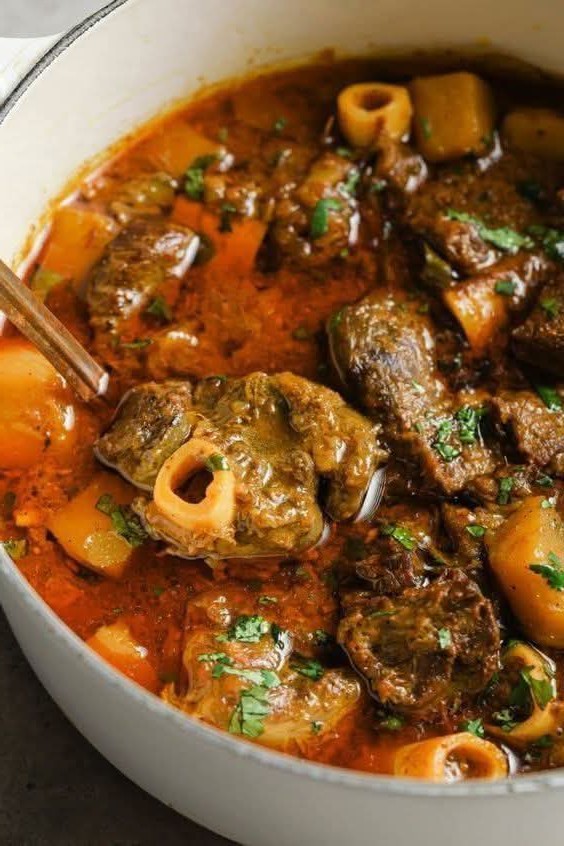
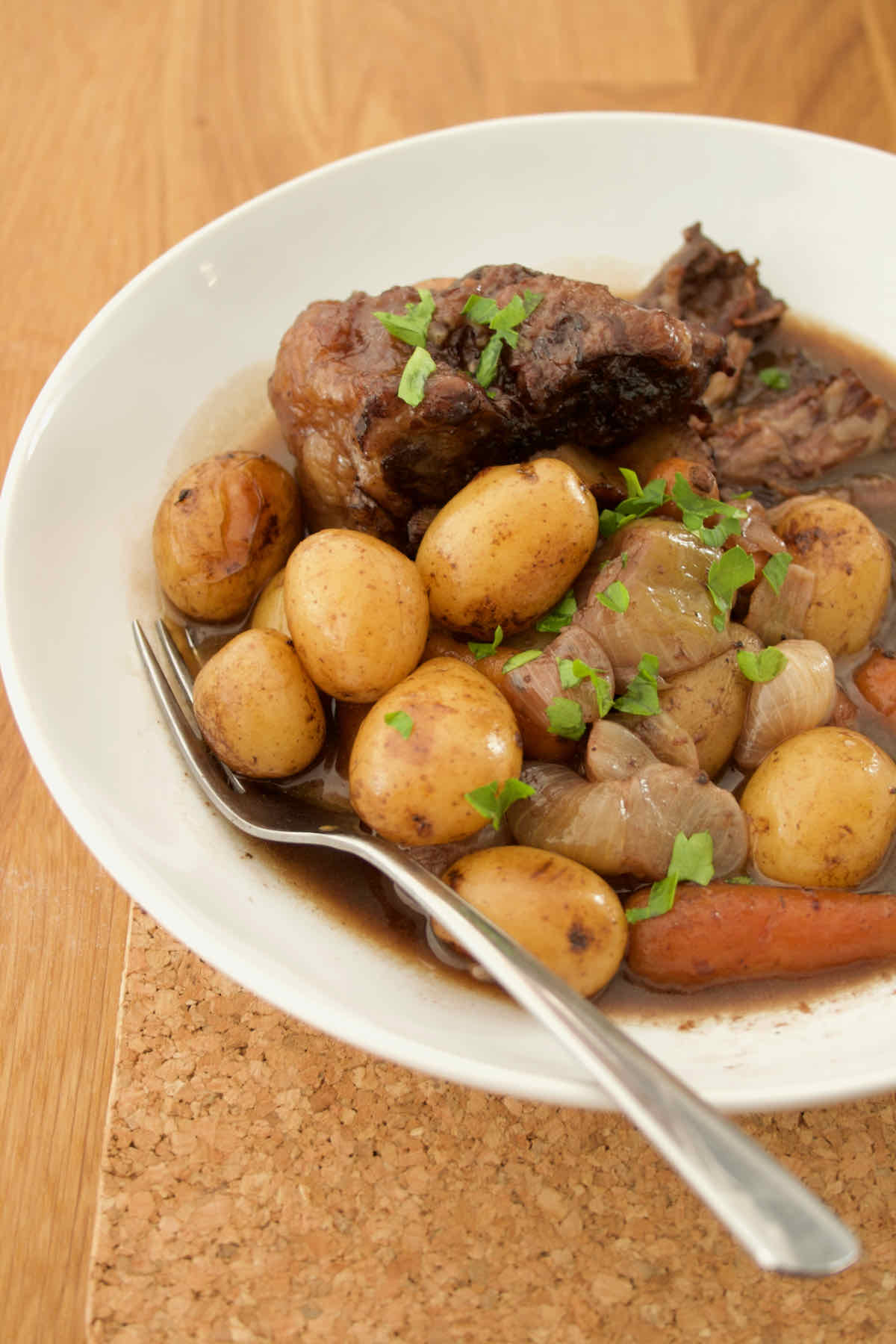
A beef stew bones recipe uses bone-in beef, broth, onions, carrots, potatoes, and herbs to make a rich, slow-cooked stew. Brown the beef first, then simmer it gently for about 2 1/2 to 3 1/2 hours, or until the meat turns fork-tender.
Across American home kitchens, beef stew is a classic choice for a cold evening, a Sunday family meal, or a filling dinner after a long day. Bone-in beef gives this dish a deep, savory taste. As the meat cooks, its connective tissue softens, while the bones and any marrow add richness to the cooking liquid.
You do not need costly cuts or a long list of fancy items. Beef shanks, meaty soup bones, or bone-in short ribs can all work well. The main trick is to keep the heat low, give the beef enough time, and add the vegetables at the right stage so they stay tender rather than fall apart. This guide covers the ingredients, cooking steps, timing, common mistakes, and safe storage.
Bone-in beef makes a hearty stew because the meat, connective tissue, and bones each play a different role. Tough cuts such as beef shank contain connective tissue that softens during long, moist cooking. This process helps the meat become tender instead of chewy. The broth also picks up flavor from the beef, vegetables, herbs, and browned bits left in the pot.
Bone marrow can add a rich, silky feel to the broth when the bones contain it. However, not every beef bone has the same amount of marrow or meat. A bare soup bone may add flavor to the liquid, but it will not give you as many bites of beef as a meaty shank or short rib.
For a classic American-style stew, aim for a mix of tender beef, soft potatoes, sweet carrots, and a broth that coats a spoon lightly. You can make the liquid thicker with a little flour or cornstarch if needed. There is no need to add lots of fat or cream to get a full taste.
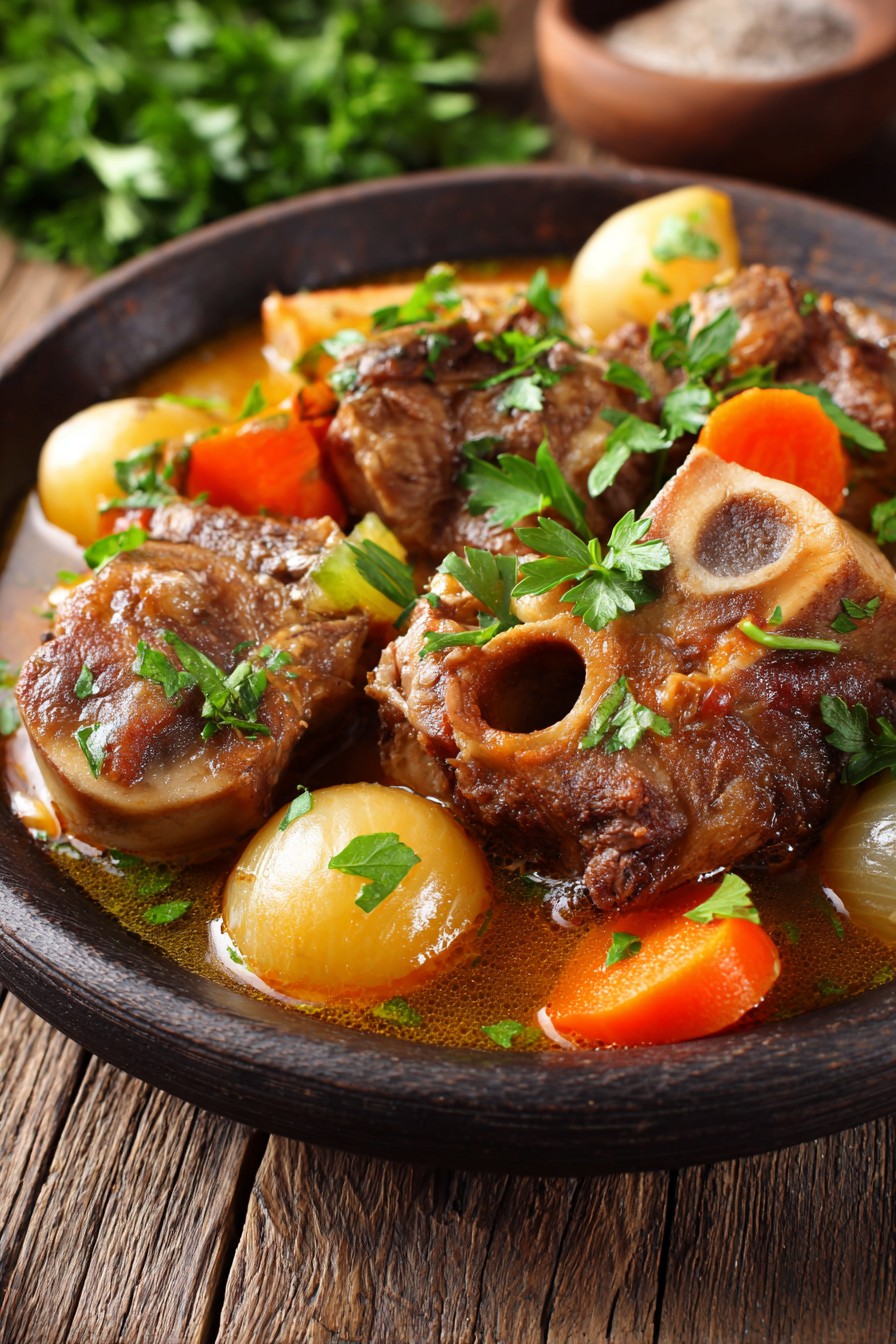
Source: themaasclinic.com
Beef shank
A strong choice for a bone-in stew because it often contains meat, connective tissue, and marrow. It needs slow cooking to become tender.
Bone-in short ribs
These offer rich flavor and tender meat, though they can contain more fat. Skim extra fat from the broth if needed.
Meaty soup bones
Useful for broth and flavor, but choose pieces with visible meat if you want a filling main dish.
Boneless beef chuck
A practical backup when bone-in cuts are hard to find. The stew can still taste rich with good browning and beef stock.
Ingredients for a Hearty Beef Bone Stew
This recipe serves about six people, depending on the size of the bones and how much meat they hold. Use a large Dutch oven or another heavy pot with a tight-fitting lid. A wide pot makes browning easier, while a heavy base helps maintain steady heat.
3 pounds bone-in beef shank or meaty beef bones
Choose cuts with enough meat to serve at the table.
2 tablespoons cooking oil
Use olive oil or another neutral cooking oil for browning.
1 large yellow onion
Chop it into small pieces to form a savory base.
3 carrots
Peel and cut into thick, even chunks.
3 medium potatoes
Cut into large chunks so they do not cook too quickly.
2 celery stalks and 4 garlic cloves
These add depth and balance to the broth.
4 to 5 cups low-sodium beef stock
Add enough to mostly surround the meat, adjusting for the size of your pot.
2 tablespoons tomato paste
Adds savory depth and a little color.
1 teaspoon dried thyme, 2 bay leaves, salt, and black pepper
Season to taste, keeping in mind that stock may already contain salt.
Use this only if you want a thicker broth at the end.
How to Make a Beef Stew Bones Recipe
The best way to make this stew is to brown the beef first, cook the onion and garlic in the same pot, and then simmer everything gently. The full process takes about three hours, although thick beef shanks may need longer. Treat the cooking time as a guide rather than a promise. Tenderness is the better sign that the stew is ready.
Start by patting the beef dry with clean paper towels. Season the meat with salt and black pepper. Dry surfaces brown more easily than wet ones, so avoid putting damp beef straight into a crowded pot. If your bones are large, make sure they fit comfortably before you begin.
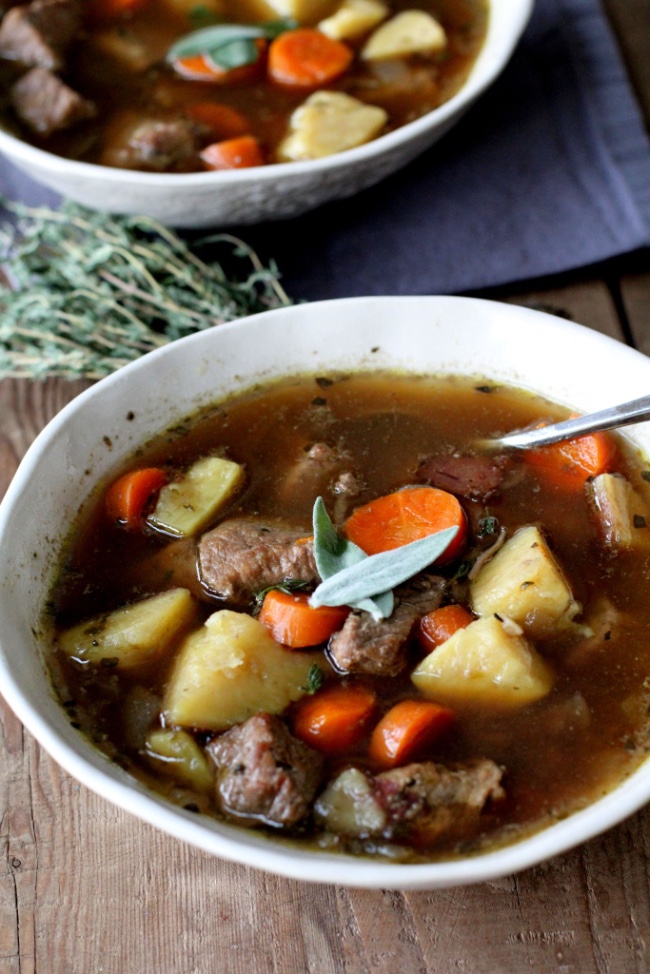
Source: theforkedspoon.com
Step 1: Brown the beef
Heat the oil over medium-high heat. Add the beef in batches and brown the meat on the exposed sides, turning as needed. This often takes about 8 to 12 minutes per batch. Move the browned beef to a clean plate.
Step 2: Cook the aromatics
Lower the heat to medium. Add the onion and celery, then cook for about five minutes. Stir in the garlic and tomato paste and cook for another minute. Scrape up the browned bits from the pot without letting the garlic burn.
Step 3: Add the broth
Return the beef and any safe-to-use collected juices to the pot. Pour in the stock, then add the thyme and bay leaves. The liquid should mostly surround the beef. Add a little water if needed, but do not fill the pot to the rim.
Step 4: Simmer slowly
Bring the liquid to a gentle simmer, then reduce the heat to low and cover the pot. Cook for about 1 1/2 to 2 hours before checking the meat. Keep the liquid at a quiet simmer rather than a hard boil.
Step 5: Add the vegetables
Stir in the carrots and potatoes once the beef has begun to soften. Cover and cook for another 30 to 45 minutes, or until the vegetables are tender and the meat pulls apart easily. Large shanks may need extra time.
Step 6: Finish the broth
Remove the bay leaves and check the seasoning. If the broth is thin, simmer uncovered for a few minutes. For a thicker stew, stir a small amount of flour or cornstarch into cold water, add the mixture gradually, and simmer until the liquid thickens.
Step 7: Remove bones with care
Lift out the large bones with sturdy tongs. Check the meat for loose bone fragments before serving. If the bones contain soft marrow, you can scoop it into the stew if desired. Do not serve small or sharp bone pieces in individual bowls.
How to Know When the Beef Is Tender
The meat should yield easily when pressed with a fork. If it feels firm, rubbery, or hard to pull apart, it likely needs more time. Add a little hot stock or water if the pot is getting dry, cover it again, and keep cooking at a gentle simmer. A longer cooking time is common with thick cuts of beef shank.
Check the meat, not just the clock
Different cuts and bone sizes soften at different rates.
Keep the liquid calm
A steady simmer helps cook the meat without breaking the vegetables into mush.
Oven, Stovetop, or Slow Cooker?
You can make bone-in beef stew on the stovetop, in the oven, or in a slow cooker. The stovetop gives you close control over the simmer. The oven offers steady heat with less need to adjust the burner. A slow cooker is handy when you want the beef to cook over several hours while you handle other tasks.
The same basic rule applies to all three methods: give tough beef enough time to soften, and do not let the pot run dry. Cooking times depend on the size and type of beef, how much liquid you use, and the way each appliance holds heat.
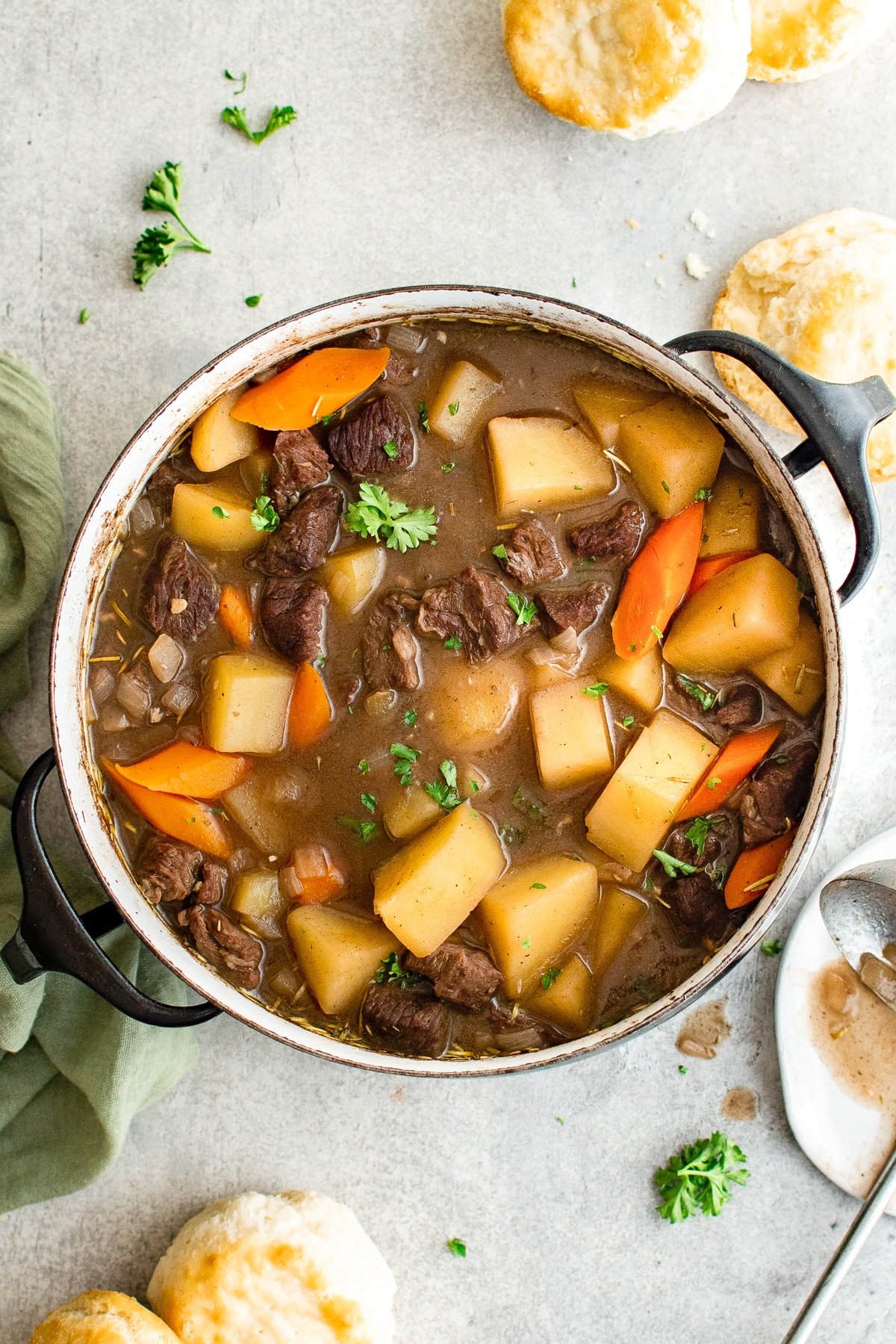
Source: cookingclassy.com
Stovetop method
After browning the beef and adding the broth, cover the pot and simmer on low for about 2 1/2 to 3 1/2 hours. Check the liquid now and then. Add the vegetables during the final 30 to 45 minutes.
Oven method
Heat the oven to 325°F. Bring the stew to a gentle simmer on the stovetop, cover the Dutch oven, and transfer it to the oven. Begin checking the beef after about two hours. Add the vegetables when the meat has started to soften, then cook until both are tender.
Slow cooker method
Brown the beef and aromatics in a pan first if your slow cooker does not support browning. Transfer them to the cooker, add the stock and herbs, and cook on Low for roughly 7 to 9 hours, or on High for about 4 to 5 hours. Add vegetables according to their size and your appliance instructions so they do not turn mushy.
Which Method Should You Choose?
Choose the stovetop if you want to check the broth often and adjust the seasoning as you go. Pick the oven if you have an oven-safe Dutch oven and prefer steady, enclosed heat. Use a slow cooker when a longer cooking window suits your day. Do not assume the listed time guarantees tenderness; test the beef before serving.
For rich browned flavor
Brown the beef in a hot pan before adding liquid, whatever cooking method you use.
For less hands-on work
A slow cooker can reduce the need to watch the pot, but it still needs safe handling and a check for doneness.
Simple Ways to Improve the Flavor
A good beef stew does not need a dozen spices. Browning, slow cooking, and careful seasoning do most of the work. A little tomato paste adds depth, while thyme and bay leaves give the broth a familiar savory taste. You can also adjust the flavor near the end rather than adding too much salt at the start.
The best changes depend on what you like. For a classic American pot of stew, keep the base simple and let the beef shine. For a richer sauce, use a small amount of Worcestershire sauce or add a splash of red wine after browning the onions. If you add wine, let it simmer briefly before pouring in the stock.
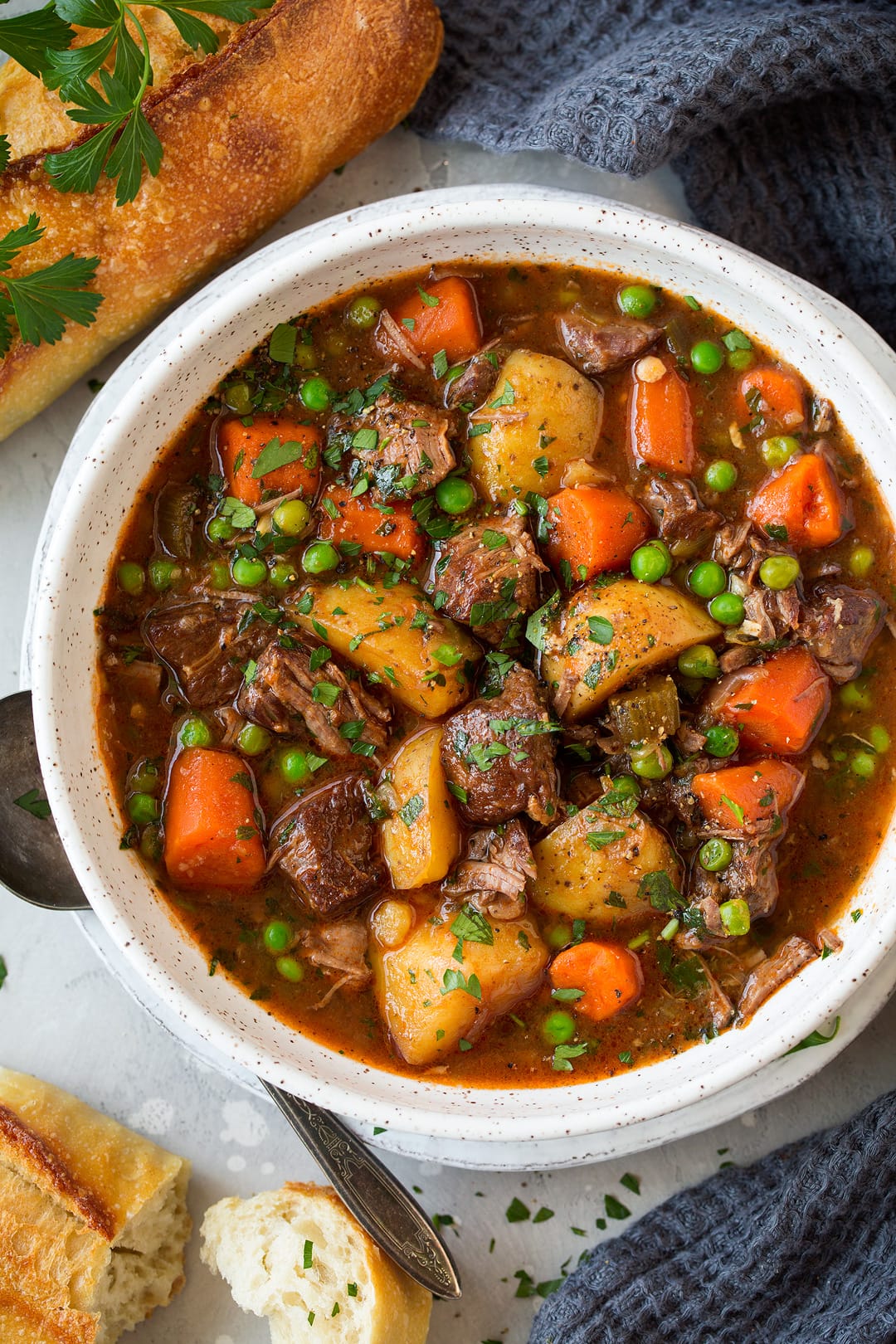
Source: c.cyssero.com
Brown in batches
Crowding the pot traps moisture and stops the meat from browning well. Work in smaller batches if needed.
Use low-sodium stock
This gives you more control over salt, especially when the liquid reduces during cooking.
Add a touch of acidity
A small splash of red wine or a little vinegar near the end can balance a heavy broth. Add a little at a time and taste.
Keep the vegetables in large chunks
Large, even pieces are less likely to break apart during the long simmer.
Skim excess fat
If a thick layer of fat gathers on top, skim some away with a spoon. Leave enough for flavor and a pleasant texture.
Why Is My Beef Stew Broth Thin?
A thin broth does not mean the stew has failed. The liquid may simply need more time to reduce, or the recipe may have used more stock than the meat and vegetables can balance. Remove the lid and simmer gently for a few minutes, keeping a close eye on the vegetables. If you need a faster fix, mix one tablespoon of cornstarch with one tablespoon of cold water, stir it into the simmering broth, and allow it to thicken. Add more only if needed.
Avoid adding dry flour straight to the pot
It can form lumps. Mix flour with cool water or fat first, or use a smooth slurry.
Do not boil hard to thicken it
A rolling boil can damage soft vegetables and may cause the meat to break apart more than you want.
Common Mistakes and Easy Fixes
Most problems with beef bone stew come from heat, timing, or the cut of meat. A tough stew often needs more time, not more seasoning. Mushy vegetables usually mean they were added too early or cut too small. A greasy broth may need skimming rather than extra thickener.
Check each problem before changing several things at once. That makes it easier to tell what worked and helps you avoid turning a simple fix into a new problem.
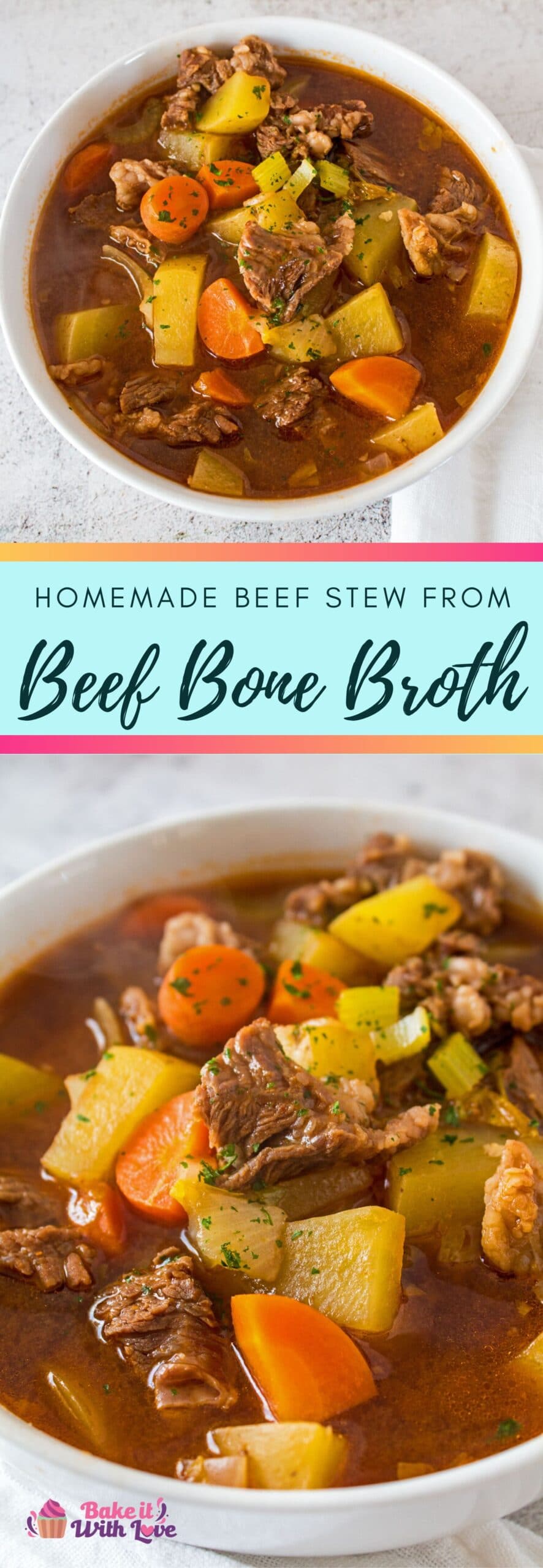
Source: bakeitwithlove.com
The meat is still tough
Cover the pot and continue cooking at a gentle simmer. Add a little hot liquid if needed. Check again after 20 to 30 minutes.
The potatoes are falling apart
They may have been cut too small or cooked too long. For the next batch, use larger chunks and add them later.
The broth tastes flat
Check the salt first. Add black pepper, thyme, or a small splash of Worcestershire sauce if the flavor needs more depth.
The broth is too salty
Add unsalted stock or water in small amounts. Extra potatoes will not reliably remove excess salt, so dilution is the better first step.
The stew is greasy
Skim the fat from the surface with a spoon. If time allows, chill the stew and lift off the firm fat before reheating.
The meat has little flavor
The cut may have had little meat, or it may not have browned well. Choose meaty bones and brown the beef in batches next time.
Can You Make the Stew Ahead?
Yes. Beef stew is a useful make-ahead meal because the flavors can blend as it rests in the fridge. Cool and store it safely, then reheat only what you plan to serve. The broth may thicken when cold, and a little water or stock can loosen it during reheating. If you plan to freeze a batch, slightly firm vegetables tend to hold their shape better after thawing.
For next-day meals
Store the stew in covered, shallow containers so it cools more quickly.
For freezing
Leave a little space in each freezer-safe container for expansion and label it with the date.
Safe Storage and Serving Ideas
Handle beef stew safely from the first step to the last. Keep raw beef separate from ready-to-eat foods, wash hands and utensils after handling it, and avoid using a plate that held raw meat for the cooked stew. Use a food thermometer when checking meat safety, and cook the stew until the beef is tender as well as properly cooked.
The USDA advises refrigerating perishable cooked food within two hours, or within one hour when temperatures are above 90°F. Keep the refrigerator at 40°F or below. Divide a large pot into shallow containers rather than leaving it on the counter to cool for hours. Refrigerated leftovers should be used within three to four days, or frozen for longer storage.
Source: maisoncupcake.com
Reheat leftovers to 165°F
Use a food thermometer to check reheated stew. Stir it as it heats so the temperature is even throughout.
Bread is useful for soaking up the rich broth and makes the meal feel complete.
Add a green side
Serve with steamed green beans, a simple salad, or roasted broccoli for a fresh contrast.
Try rice or egg noodles
These are good options if you want to stretch the stew into a larger family meal.
How to Keep Bones Out of Each Serving
Bone-in cuts can leave small fragments behind as the meat softens. Lift the large bones from the pot with tongs, place the meat on a clean tray, and check it carefully before returning the meat to the stew. Never assume that every bone will stay whole during cooking. Serve the stew in shallow bowls and remind diners to watch for any remaining bone pieces, especially when serving children.
Use sturdy tongs
Soft meat can slide off the bone, so lift each piece slowly over the pot.
Inspect the meat
Remove loose fragments before you mix the meat back into the broth.
Frequently Asked Questions
Q
What are the best bones for beef stew?
Meaty beef shanks and bone-in short ribs are strong choices because they provide both meat and flavor. Beef shank also has connective tissue that softens during long cooking. If you use plain soup bones with little meat, add separate stew beef so the finished dish has enough meat to serve.
Q
How long should beef stew bones cook?
On the stovetop, many bone-in beef stews need about 2 1/2 to 3 1/2 hours, depending on the cut and size. A slow cooker may need around 7 to 9 hours on Low. These are estimates, not fixed rules. The meat should pull apart easily, and the stew should remain at a gentle simmer or follow the appliance manufacturer’s instructions.
Q
Should I roast beef bones before making stew?
Roasting is optional. It can build a deeper browned flavor, especially when you are making broth from bones with little meat. For a stew with meaty beef shanks or short ribs, browning the beef in the pot is usually enough to build a savory base. If you roast the bones first, watch them closely so they brown without burning.
Q
Can I make beef bone stew without potatoes?
Yes. Leave out the potatoes and use extra carrots, celery, mushrooms, turnips, or other vegetables that hold up to slow cooking. You can also serve the stew over rice or egg noodles. Add quick-cooking vegetables near the end so they keep their texture.
Q
Can I freeze leftover beef stew?
Yes. Divide the stew into freezer-safe containers and chill it promptly before storing it in the freezer. Frozen leftovers can be kept for several months, although quality may decline over time. Thaw the stew in the refrigerator when possible, then reheat it to 165°F. Potatoes may soften after freezing and thawing, but the stew will still work well as a meal.
Q
Why is my beef stew still tough after several hours?
The beef may need more time, especially if you are cooking thick shanks or a cut with lots of connective tissue. Keep the pot covered, maintain a gentle simmer, and add hot stock or water if the liquid level drops too far. Check the meat again after 20 to 30 minutes. If the cut is very lean, it may not become as soft and rich as a collagen-rich stew cut.
✦ Wrapping Up
Conclusion
A good beef stew bones recipe starts with meaty beef, a few basic vegetables, and enough time for the meat to soften. Browning the beef builds flavor, while a low simmer helps turn a tough cut into tender bites. Carrots, potatoes, onions, garlic, and herbs give the broth a classic home-cooked taste without making the recipe hard to follow.
Use the cooking method that suits your day, check the beef for tenderness, and adjust the broth before serving. Remove the bones carefully, store leftovers within the recommended time, and reheat them well. With these steps, you can make a filling stew for a weeknight dinner or a relaxed weekend meal.
💡 Key Takeaway
Start with about 3 pounds of meaty bone-in beef, brown it well, and simmer it gently in beef stock. Add the carrots and potatoes later, cook until tender, remove all bones carefully, and serve the stew hot with bread or rice.